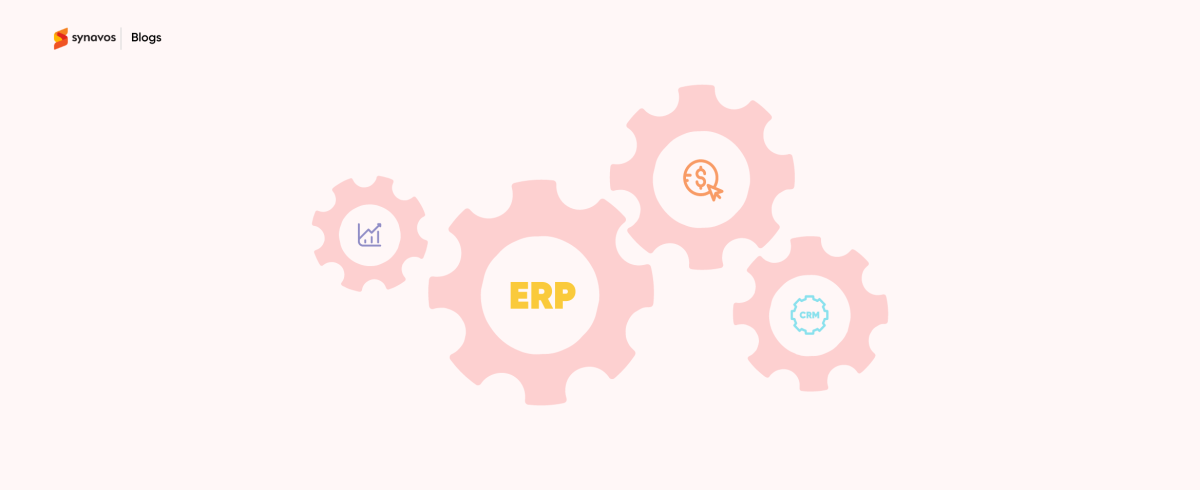
Many organizations choose Odoo to manage finance, sales, inventory, and operations in one system. At the beginning, most Odoo implementations feel successful. The system goes live, users are trained, and management gains better visibility. However, after some time, usually between one and three years, the situation changes. Users return to Excel. Reports raise questions. Simple changes take longer than expected. Leaders begin to wonder whether the ERP system is still supporting the business.
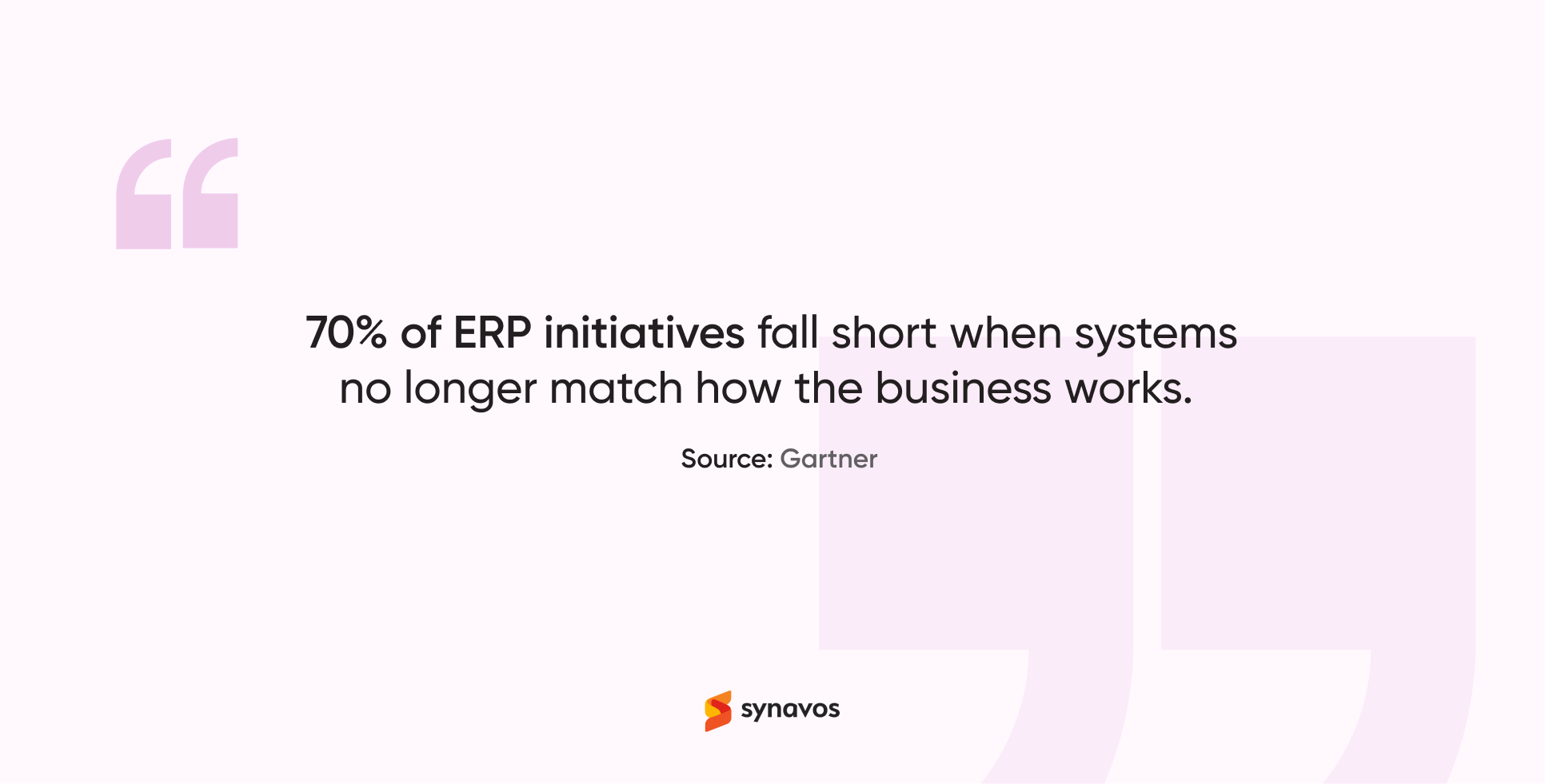
According to Gartner, nearly 70% of ERP initiatives fail to deliver expected business value over time, not because the software fails, but because systems fall out of alignment with evolving business needs.
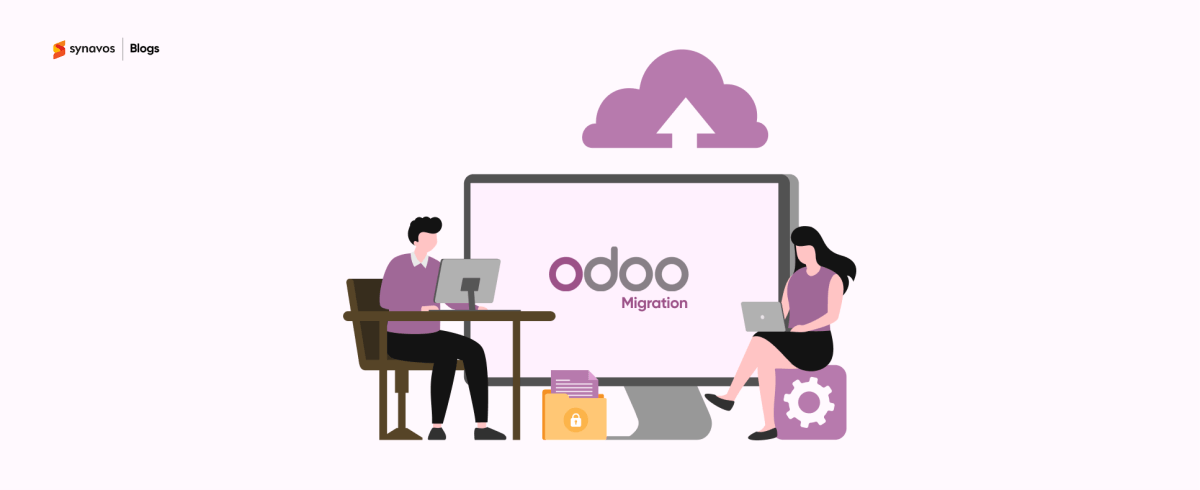
 This article explains why Odoo implementations fail over time, what failure really means, and when Odoo re-implementation becomes inevitable for any business.
Why Odoo Implementations Do Not Fail Immediately
ERP systems rarely fail at go-live. In fact, most problems appear much later.
At the start, processes are new, users follow rules, and data is clean. Over time, the business grows and changes. New products are added. Sales volumes increase. Teams expand. Reporting needs become more complex.
If Odoo was designed only for the business at the time of go-live, it slowly becomes misaligned. The system still works, but it no longer fits how the business operates today. This growing gap is the main reason ERP systems fail over time.
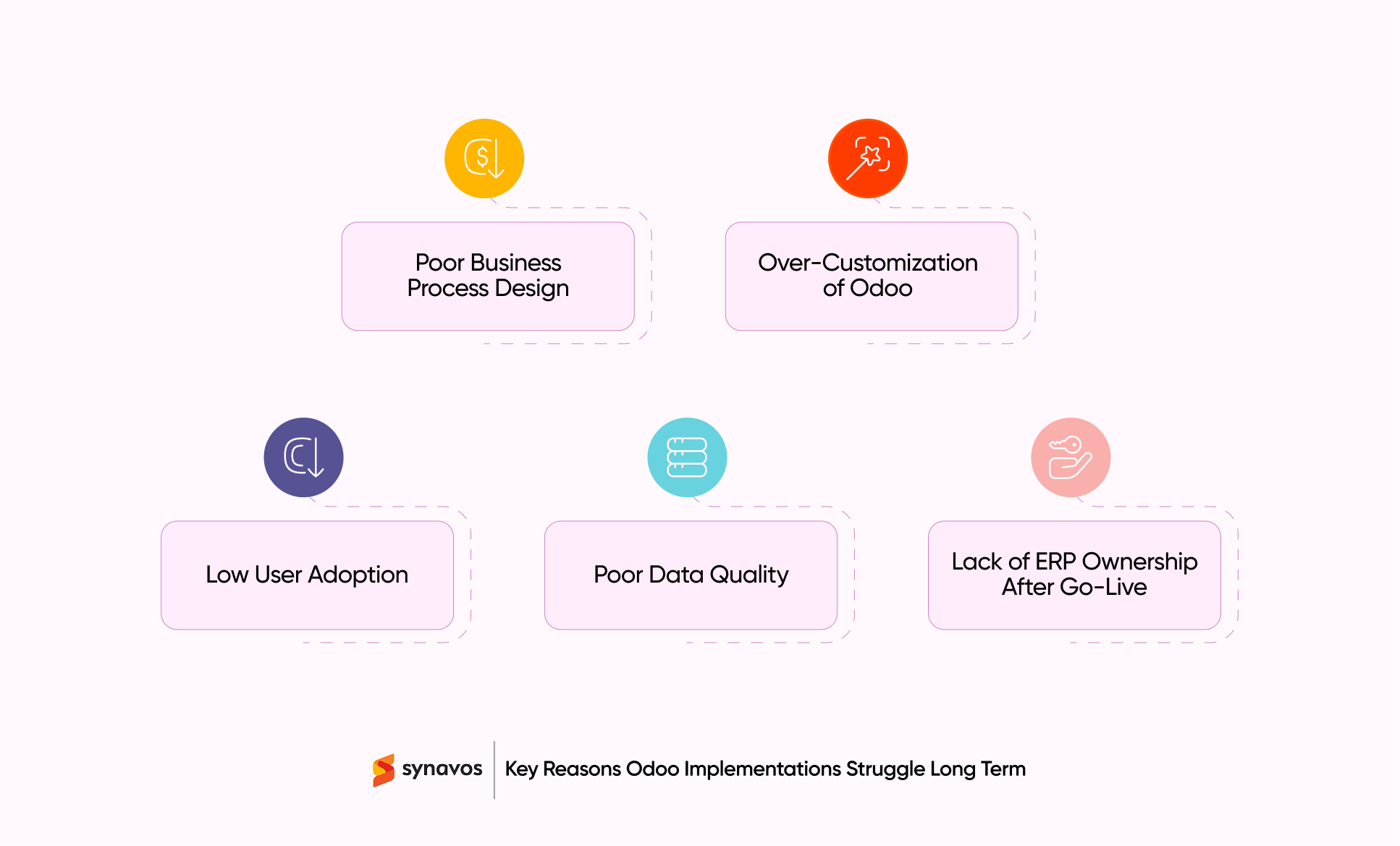
Main Reasons Odoo Implementations Fail Over Time
-
Poor Business Process Design
Many Odoo implementations are built around existing processes instead of improved ones. If the original workflows were unclear or inefficient, the ERP only makes these issues more visible as the business grows.
Over time, weak process design leads to delays, confusion, and extra manual work.
-
Over-Customization of Odoo
Odoo is flexible, but too much customization creates long-term risk.
Custom features are often added to copy old systems or to solve short-term problems quickly. While this may help early on, heavy customization increases maintenance costs, slows performance, and makes system upgrades difficult.
After a few years, the system becomes harder to change safely, and every update feels risky.
-
Low User Adoption
User adoption problems rarely come from resistance to technology. They usually come from poor design.
When users are trained on screens instead of outcomes, they do not understand why a process exists. As a result, they create shortcuts and workarounds. Over time, these workarounds replace the ERP as the real operating system.
Once this happens, restoring adoption becomes very difficult without structural changes.
-
Poor Data Quality
Data problems grow slowly but cause serious damage.
Small mistakes during data migration or daily usage, such as duplicate records or incorrect balances, reduce trust in reports. When leadership stops trusting ERP data, decisions move outside the system.
Industry research consistently shows that poor data quality is one of the top reasons ERP systems underperform.
-
Lack of ERP Ownership After Go-Live
Many organizations treat go-live as the end of the ERP project.
After that, no one owns the system roadmap. Changes are made only when something breaks. There is no long-term improvement plan. Without ownership and governance, Odoo slowly falls behind business needs.
How Business Growth Exposes ERP Weaknesses
Growth often reveals problems that were hidden earlier. An Odoo system designed for a small operation may struggle when the business expands into new locations, products, or markets. Reporting becomes complex. Performance slows. Approval flows no longer fit reality.
This does not mean Odoo cannot scale. It means the implementation was not designed for scale.
Odoo Optimization vs Re-Implementation
Not every Odoo issue requires a full rebuild. The key is understanding what can be fixed and what cannot.
Optimization works when the core design is strong, customization is limited, data structures are mostly clean, and users are still engaged. In these cases, better training, configuration changes, and data cleanup can restore value.
Re-implementation becomes necessary when problems are structural. If workflows are wrong, custom code blocks upgrades, data issues are widespread, and no one truly owns the system, optimization only delays the problem.
How Synavos Approaches Odoo Re-Implementation
At Synavos, Odoo re-implementation starts with a simple question: where has the business changed, and where has the system not kept up? By focusing on real operational needs rather than technical quick fixes, Synavos helps organizations redesign their ERP to support decision-making, data confidence, and user adoption.
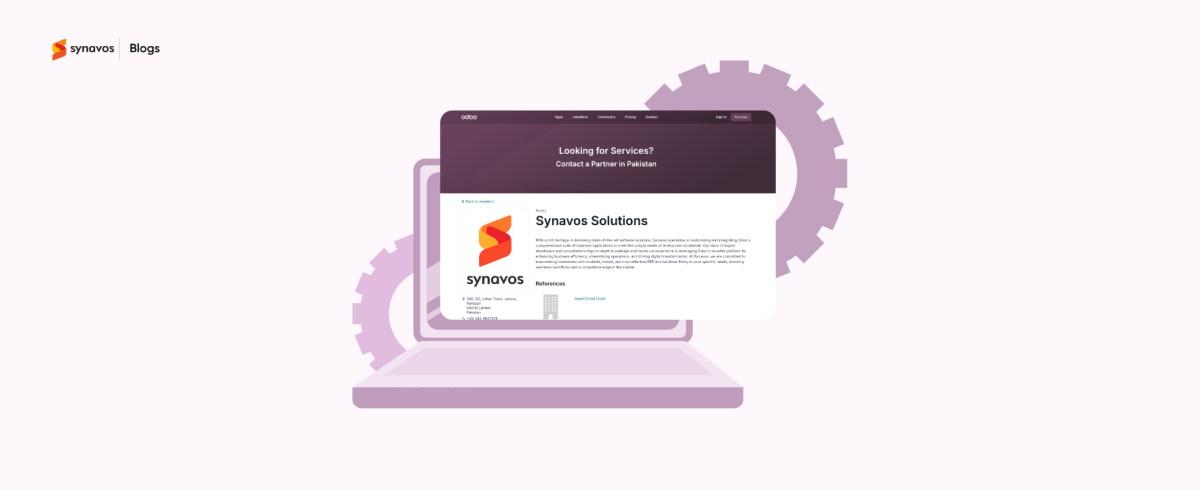
Recognized as a reliable ERP implementation partner for Odoo, SAP Business One, and Microsoft Dynamics 365 Business Central, Synavos serves businesses across Pakistan, Saudi Arabia, and the UAE. With a consultative approach and strong regional presence, Synavos enables organizations to rebuild ERP systems that teams actually trust and use.
Conclusion
Odoo implementations don’t usually fail because the system is broken. They fail because the business outgrows the assumptions on which the system was built. As processes evolve, data volumes increase, and teams scale, even a once-successful ERP can quietly lose alignment.
The real risk is not recognizing this early enough. Organizations that periodically reassess how well Odoo supports current operations can avoid years of workarounds, manual reporting, and decision-making outside the system.
If your ERP feels harder to trust or adapt than it should, a structured Odoo health assessment can quickly help your business get into right direction. Let’s talk!