If you are thinking about building a mobile app in 2026, you are entering a space that is more competitive and fast moving than ever before. Users download apps with high expectations and even higher standards. They want apps that load instantly, feel intuitive, and solve a problem without friction. If your app fails to deliver value within the first few minutes, it is likely to be ignored or deleted.
For businesses, this means mobile app development is no longer a technical project. It is a strategic investment. The apps that succeed are not always the ones with the most features, but the ones built with clarity, strong user understanding, and a structured development process. By following a step by step approach, you give your app the best chance to perform well at launch and continue delivering value as your business grows.
Step 1: Define the App Idea and Business Goals
Before you think about design, features, or technology, you need to clearly define what your app is meant to achieve. A strong app idea always starts with a real problem. Ask yourself what inconvenience, inefficiency, or gap your app is solving for users.
For example, a logistics company might build an app to help drivers track deliveries and reduce manual reporting. A retail brand might create an app to simplify repeat purchases and improve customer loyalty. In both cases, the app exists to solve a specific business and user problem.
You should also define clear business goals from the start. Whether your goal is revenue generation, customer engagement, operational efficiency, or market expansion, this clarity helps you prioritize features and avoid unnecessary complexity later.
Step 2: Market Research and Competitor Analysis
Once the idea is clear it is time to study the market. Look at apps that already exist in your space. Analyze what they do well and where users complain.
App store reviews are a goldmine of insights. They reveal missing features, usability issues, and performance problems. Use this feedback to shape a better experience.
The goal here is not to copy competitors. It is to find gaps and opportunities. Your app should offer a clear reason for users to choose it over others.
Step 3: Choose the Right App Type and Platform
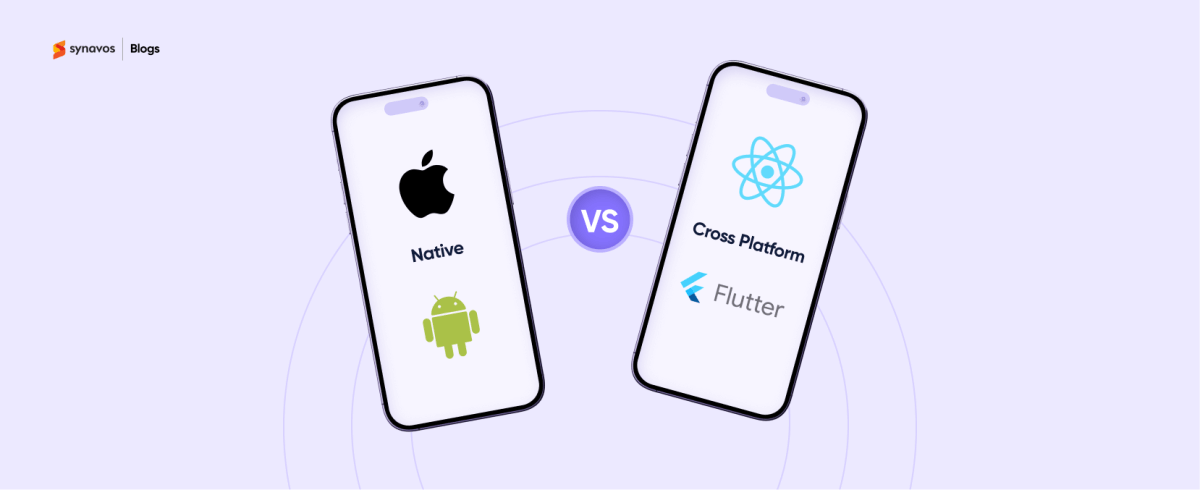
After understanding the market, you need to decide how your app will be built. This includes choosing between native and cross platform development, as well as deciding which platforms to target.
If your app requires high performance, complex interactions, or deep device integration, native development may be the better option. On the other hand, if you want to launch quickly and manage costs, a cross platform approach may be more suitable.
Platform selection should be driven by your audience. For example, a business focused app may perform better on Android in certain regions, while a consumer lifestyle app may see stronger engagement on iOS. Choosing the right approach at this stage helps avoid costly rebuilds later.
Step 4: Create App Wireframes and User Flow
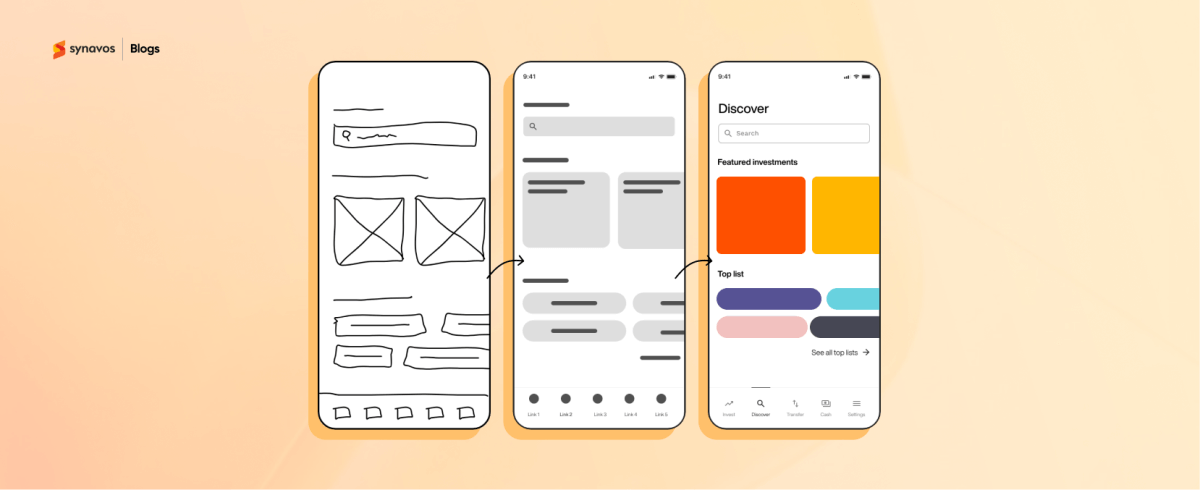
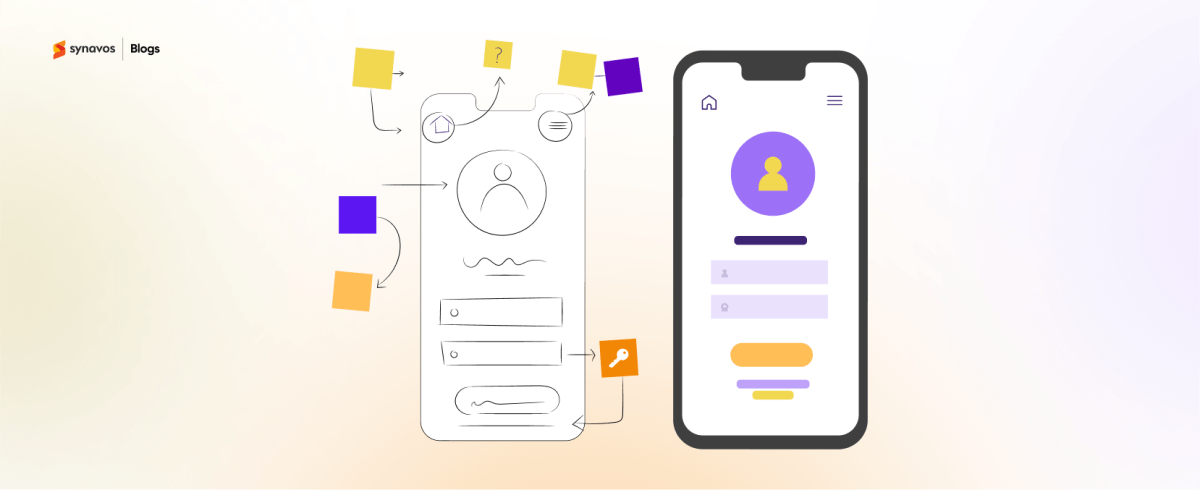
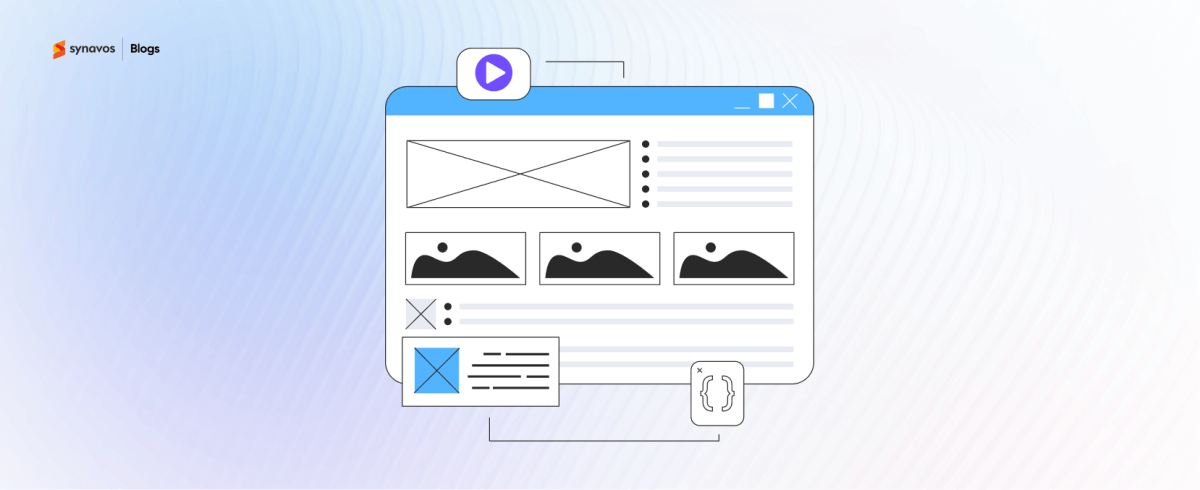
With the development approach decided, you should focus on planning how users will move through your app. Wireframes allow you to define the structure, layout, and navigation without getting distracted by visual design.
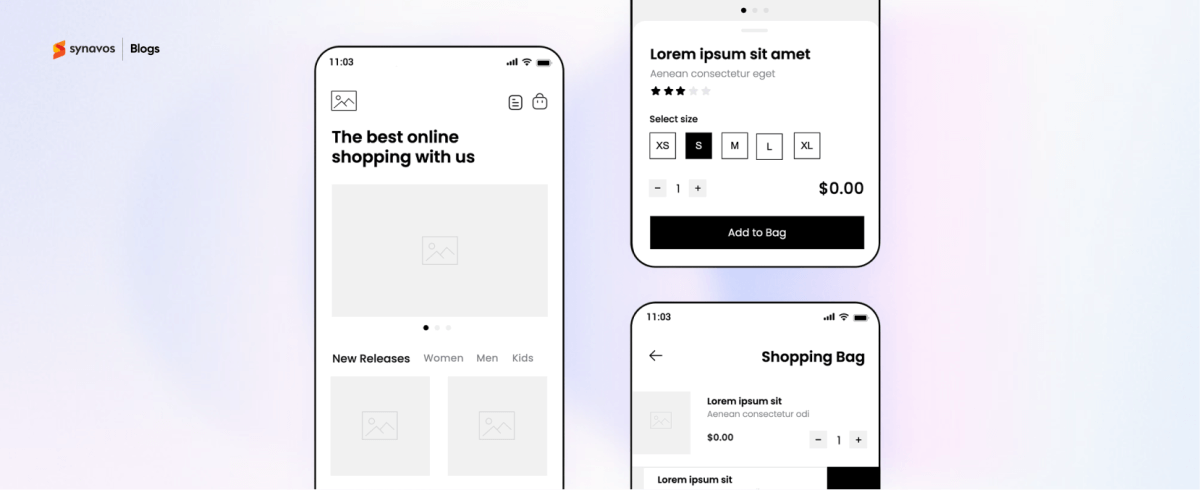
User flows help map how a user completes key actions, such as signing up, placing an order, or tracking progress. For example, an e-commerce app should allow users to find products, add them to the cart, and check out with minimal steps.
Planning wireframes early helps identify confusion points and ensures the app feels logical and easy to use.
Step 5: UI Design and User Experience Optimization
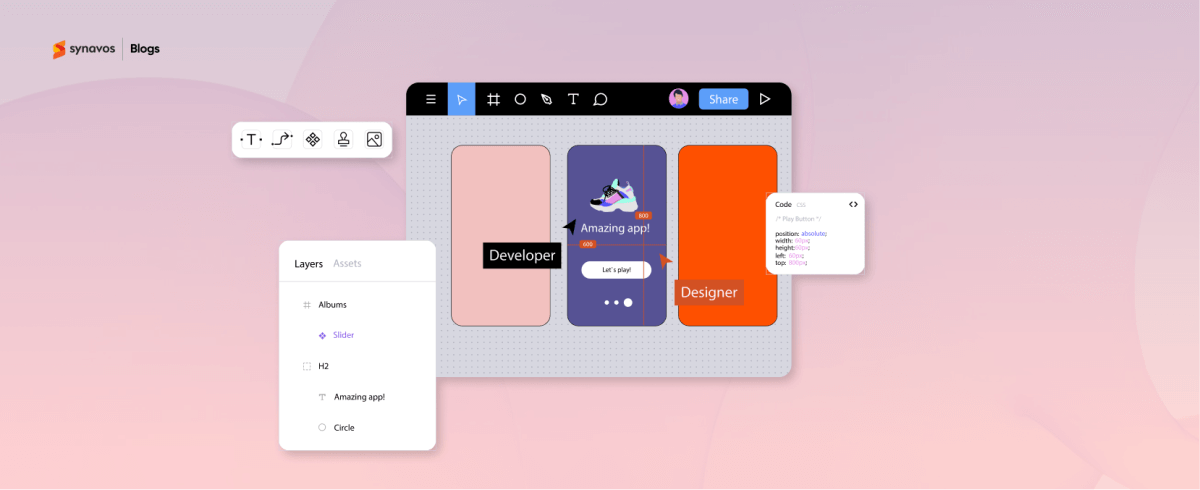
Once the structure is clear, you can move on to design. UI and UX design shape how users feel when interacting with your app.
A well designed app uses clear layouts, readable text, and consistent interactions. Buttons should be easy to find, actions should feel predictable, and the app should guide users naturally. Accessibility is also important, ensuring the app works for users with different abilities.
For example, a finance app should present data clearly without overwhelming users, while a fitness app should focus on motivation and ease of tracking. Good design builds trust and encourages long term engagement.
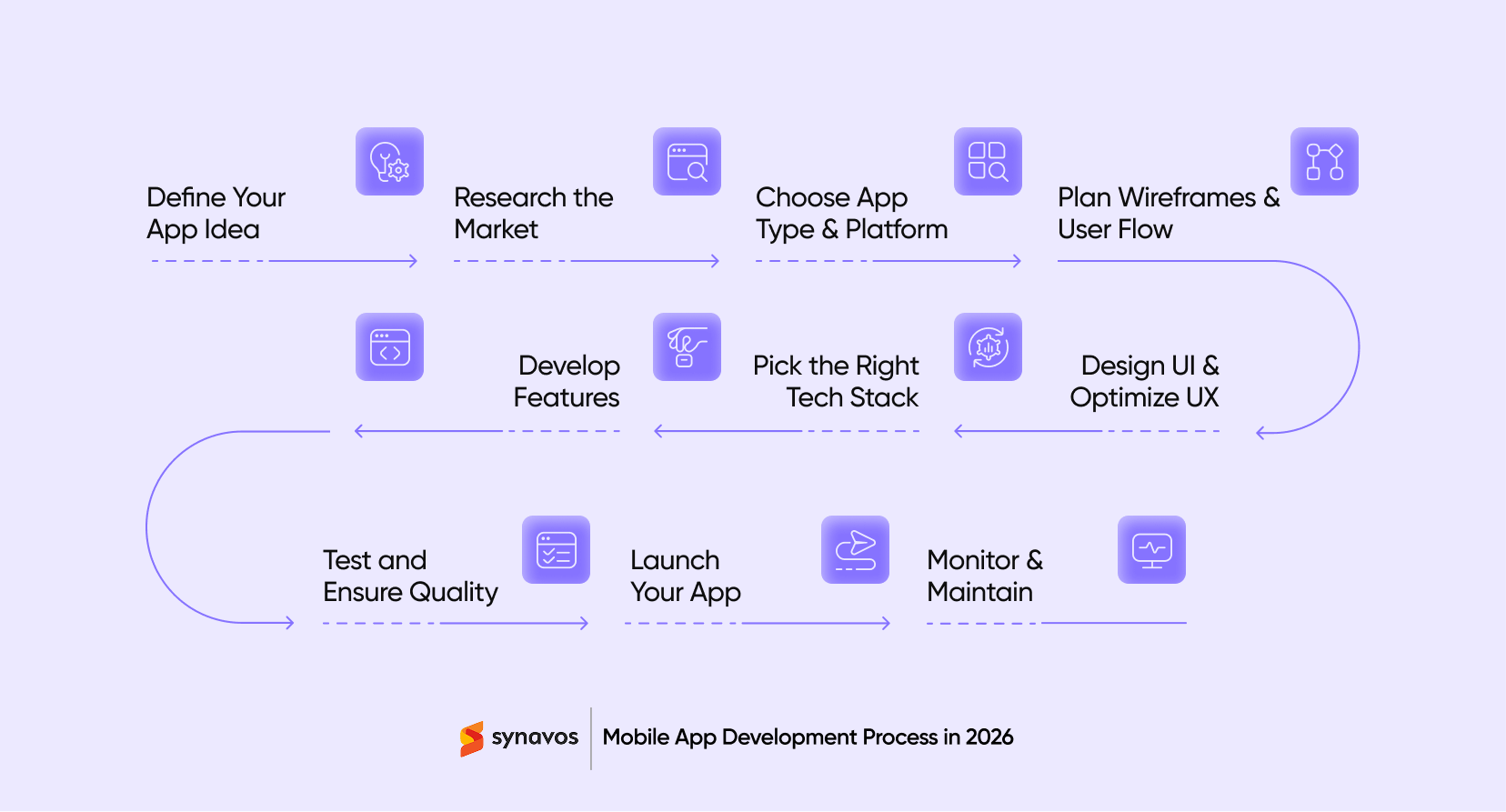
Step 6: Select the Right Tech Stack
Choosing the right tech stack is critical for performance, security, and scalability. This includes selecting frameworks, databases, APIs, and cloud services.
You should think beyond the initial launch. Will the tech stack support more users? Can it handle future features? Is it secure and easy to maintain? For example, an app expecting rapid growth needs a scalable backend and reliable cloud infrastructure.
A well chosen tech stack reduces technical debt and allows your app to evolve smoothly over time.
Step 7: App Development and Feature Implementation
During development, your app begins to take shape. Developers build the front end that users interact with and the back end that handles data, logic, and integrations.
Development is often done in stages, so you can review features as they are completed.
For example, you may test onboarding flows or payment functionality before moving on to advanced features.
This iterative approach helps catch issues early and ensures the final product aligns with your goals.
Step 8: Testing and Quality Assurance
Testing ensures your app works as intended across devices and usage scenarios. This includes functional testing, performance testing, security testing, and usability testing.
For example, an app may work well on one device but behave differently on another. Testing helps identify these issues before users experience them. Thorough quality assurance protects your brand and improves user satisfaction.
Step 9: App Deployment and Launch
Launching your app involves preparing app store listings, visuals, descriptions, and meeting platform guidelines.
A soft launch or beta release allows you to gather feedback from a limited audience before a full rollout. This helps fix issues and refine the experience. A well planned launch increases the chances of positive early reviews and stronger adoption.
Step 10: Post Launch Monitoring and Maintenance
After launch, you should closely monitor how users interact with your app. Analytics reveal which features are used most, where users drop off, and what needs improvement.
Regular updates, bug fixes, and feature enhancements keep the app relevant. For example, user feedback may highlight the need for faster navigation or additional functionality. Apps that continue improving over time are more likely to retain users.
Final Thoughts
Building a mobile app in 2026 requires careful planning, strong execution, and a user first mindset. When you follow a structured development process and make informed decisions at each stage, you increase the likelihood of building an app that delivers long term value for both users and your business.
Build Your Mobile App with Synavos
At Synavos, a leading mobile app development company, we work closely with businesses to turn ideas into reliable, scalable, and user-focused mobile applications.
From shaping your app strategy to design, development, and post-launch support, we help you make the right decisions at every stage of the process.
Contact Synavos today to discuss your mobile app idea and take the first step toward building an app that delivers real business value.