Building a mobile app takes time, money, and effort. Yet many apps fail not because of poor development, but because the idea was never properly validated in the first place. In 2026, launching an app without testing demand is a risky move, especially in a crowded and competitive market.
Validating your mobile app idea helps you understand whether people actually need your product, whether they would use it, and whether it has real business potential. It allows you to avoid costly mistakes and make smarter decisions before investing heavily in development.
Here are seven simple and effective steps to validate your mobile app idea before turning it into a full product:
1. Define the Problem Your App Will Solve
Every successful app starts with a real problem. Before thinking about features, design, or technology, take time to define the pain point your app aims to solve.
Ask yourself
- Is this a problem people face often
- Is it strong enough that they would seek a solution
- Are current solutions lacking in any way
A clear problem statement gives you direction and helps you understand whether your idea stands on solid ground.
2. Research Your Target Audience
Your app can only succeed if the right people want it. Spend time understanding the audience you aim to serve.
Talk to real users, observe their behavior, and study how they deal with the problem today. This will show you what they value, what frustrates them, and what they expect in a solution. Real user insight is one of the strongest forms of validation you can get.
3. Study Your Competitors and the Market
Competition shows that the problem already exists. Take advantage of that.
Explore apps that offer something similar. Study their downloads, user feedback, and strengths. Pay close attention to their weaknesses because those are opportunities for you.
This helps you understand where your idea stands in the 2026 market and whether it can bring something better or simpler than what already exists.
For a deeper look at the mobile app market, emerging technologies, and development best practices, read our in-depth guide on “Mobile App Development in 2026: A Complete Guide for Businesses.”
4. Build a Simple Landing Page for Early Interest
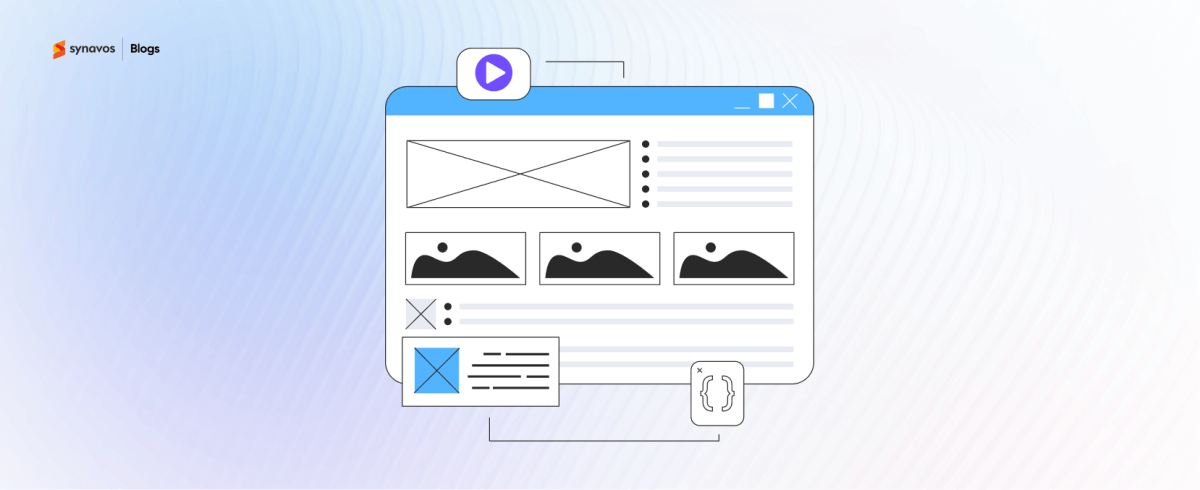
You do not need a full app to test demand. A basic landing page works well.
Explain your idea clearly, describe the value, and add a call to action such as an early access signup. Then share the page through targeted ads or social posts.
The number of signups and clicks you receive shows real interest and helps you judge whether people truly want what you are planning to build.
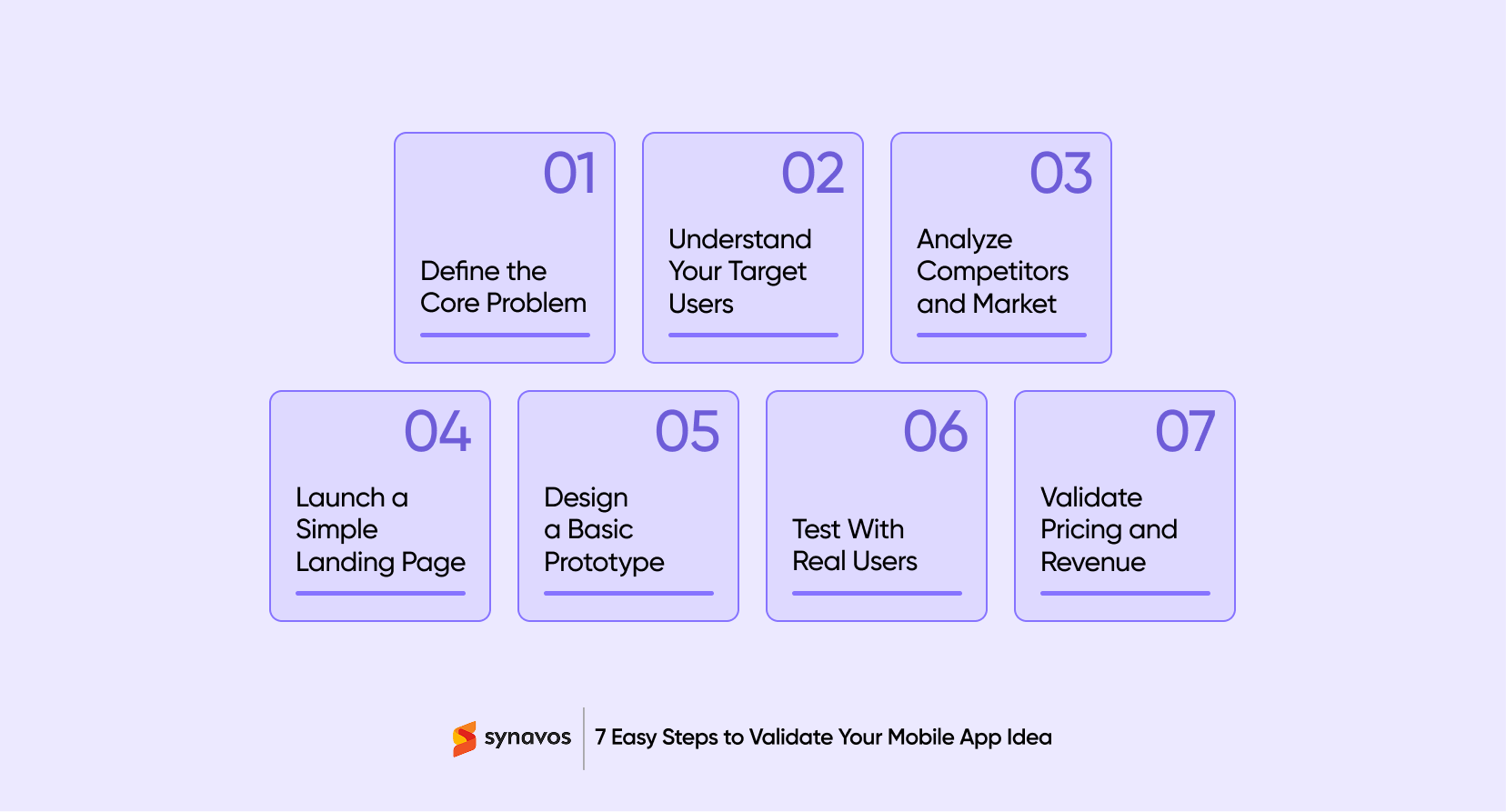
5. Create a Prototype or Mockup
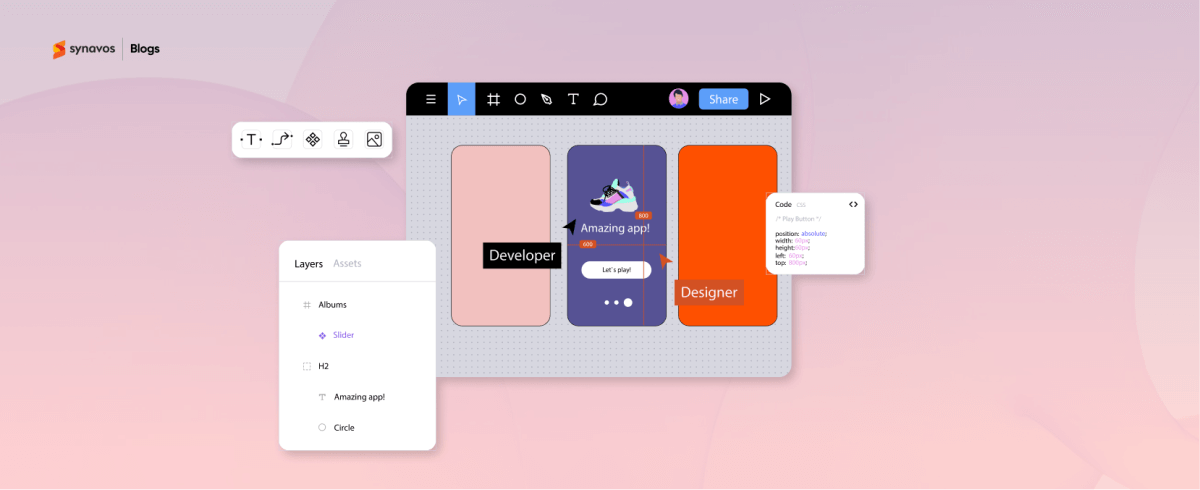
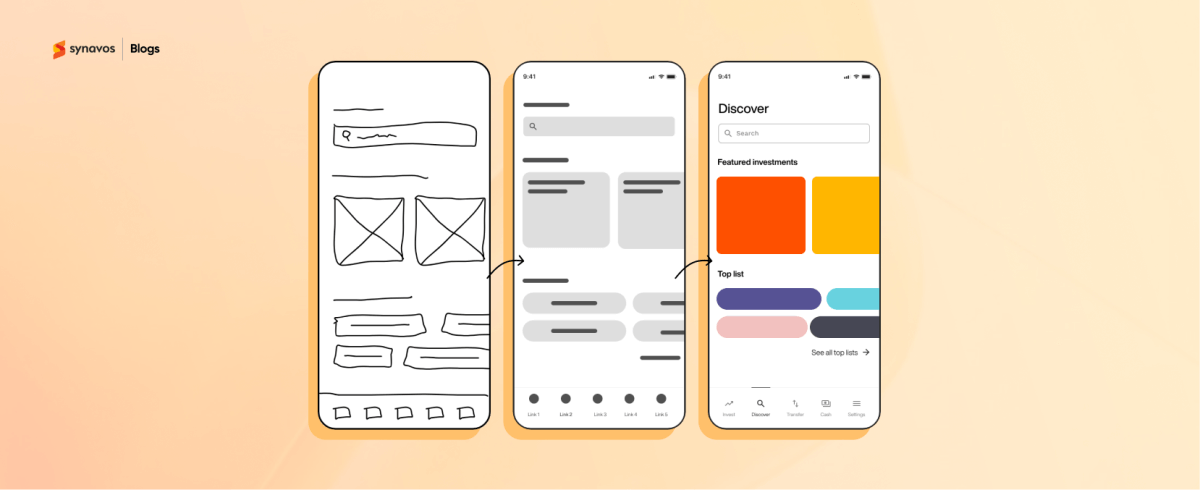
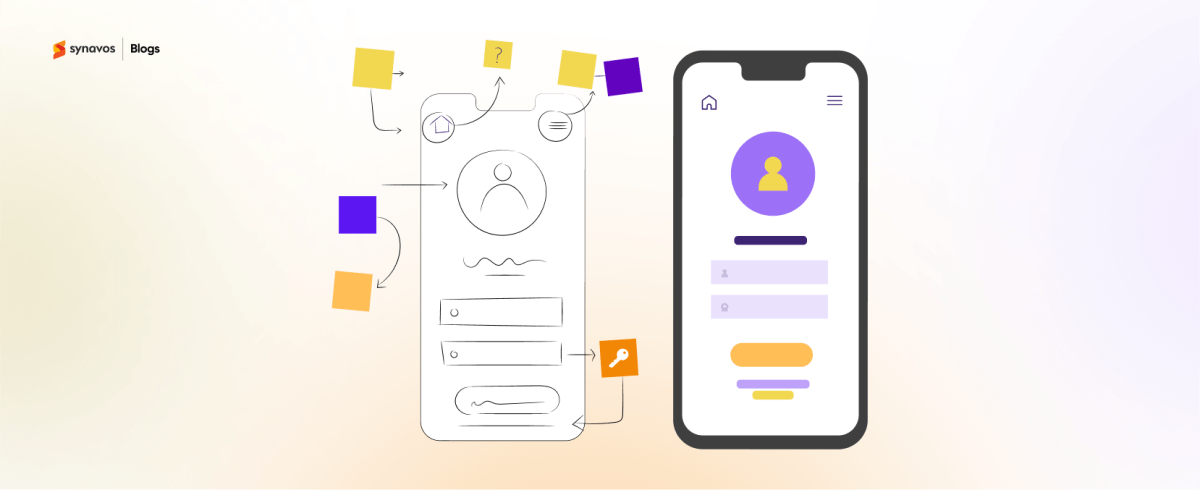
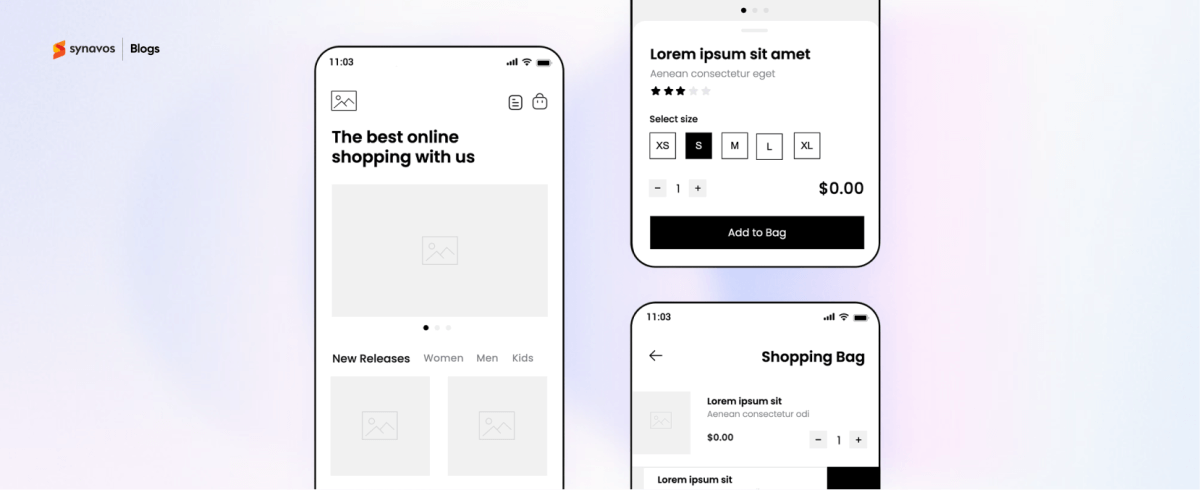
A prototype makes your idea more tangible. You only need a few main screens with simple navigation.
This helps potential users see how the app would work and gives you more reliable feedback. It also allows you to refine the user flow before any development begins, which saves time and improves the overall experience.
6. Conduct User Testing With Real People
Once the prototype is ready, test it with people who match your target audience.
Watch how they move through the design. Notice where they hesitate or get stuck. Ask how they feel about specific interactions and whether the idea makes sense to them.
This process uncovers issues early and highlights what users actually care about.
7. Validate Monetization and Pricing Early
Your app needs a clear monetization plan. Test this part early instead of waiting until the end.
Present your pricing model on your landing page or during testing sessions. Ask users how likely they are to pay and what feels fair to them.
This helps you understand whether the problem is important enough for users to spend money on and whether your pricing aligns with market expectations.
Wrapping Up
Validating your app idea is one of the smartest steps you can take before developing your mobile app. It helps you understand what people truly want, what they are willing to pay for, and whether your idea can grow into a real product. When you take time to validate, you avoid costly mistakes and move forward with confidence instead of guesswork.
Bring Your App Idea to Life With Synavos
If you want support turning your idea into a strong and user centered product, our team at Synavos is here to help. We work with businesses and founders to validate ideas, build prototypes, and design mobile apps that feel natural and deliver real value.
Get in touch with us today!