Building a mobile app can be an exciting step for a business, startup, or entrepreneur. However, many apps fail not because of technical issues, but because of poor planning, unclear goals, or misunderstanding user needs.
Before investing time and money into development, it is important to understand what it really takes to build a successful mobile app. Knowing the right things early can help you avoid costly mistakes, reduce risk, and create a product that users actually want.
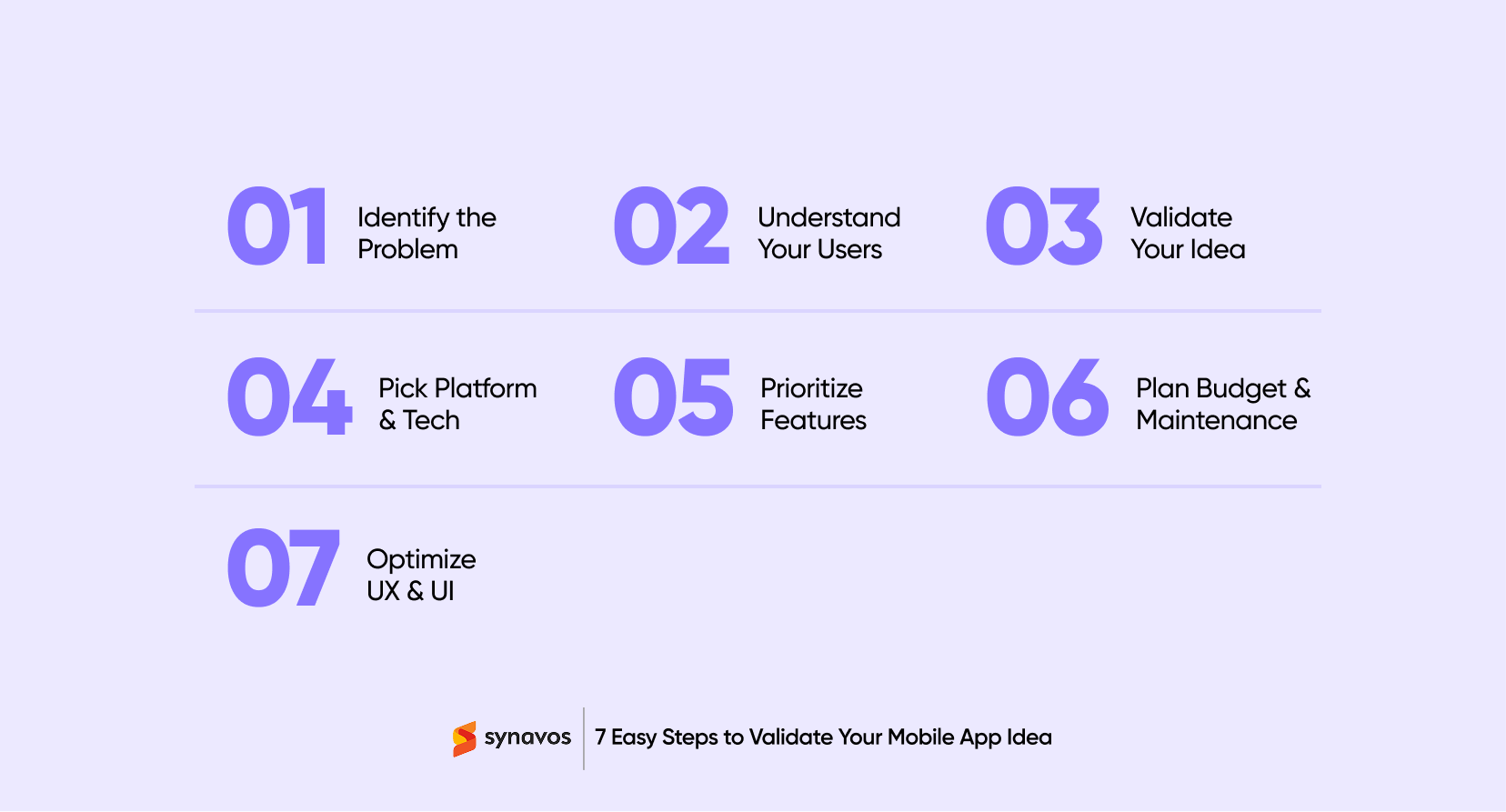
Here are seven crucial things you should know before building a mobile app:
1. Define the Problem Your App Will Solve
A strong mobile app starts with a clear problem.
Ask yourself what specific issue your app is addressing and why users would need it. If the problem is vague or not meaningful, the app is unlikely to gain traction.
Your app should solve a real challenge, save time, improve convenience, or offer value that existing solutions do not. The clearer the problem, the easier it is to design features that matter.
2. Understand Your Target Audience
Knowing your audience is just as important as knowing the problem.
You need to understand who your users are, what they expect, how they behave, and what motivates them. Consider their age, habits, preferences, and pain points.
A mobile app built without a clear audience often becomes unfocused. When you understand your users, you can make better decisions about design, features, and overall experience.
3. Validate Your App Idea Before Development
One of the biggest mistakes is building an app without testing whether people actually want it.
Before starting development, validate your idea through market research, surveys, interviews, competitor analysis, or simple prototypes. Feedback from real users can reveal whether your idea is practical, needed, or worth refining.
Validation helps you reduce risk and avoid building a product that nobody uses.
4. Choose the Right Platform and Technology
You will need to decide whether to build your app for iOS, Android, or both.
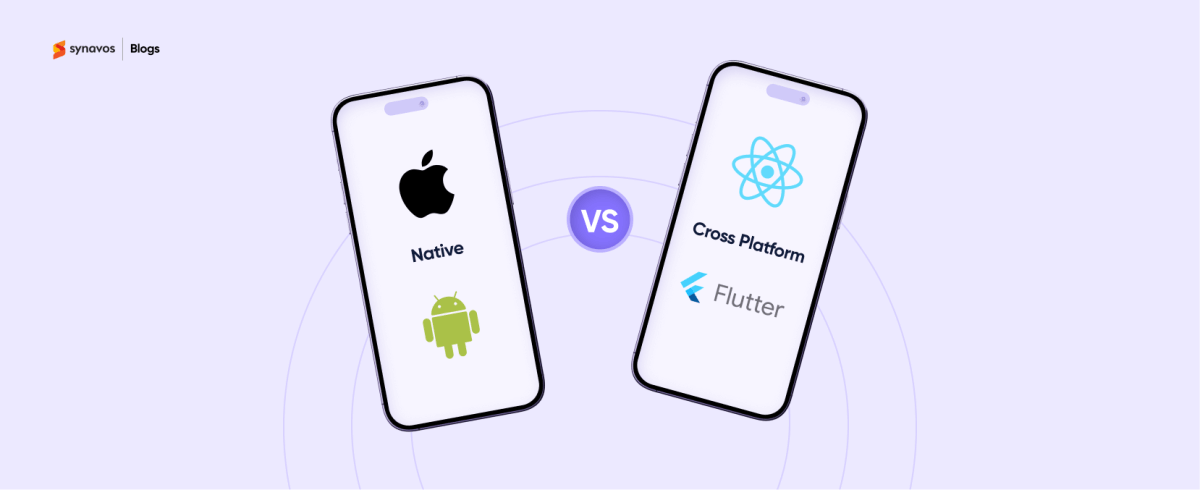
You should also choose whether to use native development or cross platform frameworks. Each option has its own benefits depending on your budget, timeline, performance needs, and target audience.
The right technology choice affects development cost, speed, maintenance, and future scalability, so it is important to choose wisely.
5. Plan Features Carefully and Avoid Overbuilding
It can be tempting to include many features at launch, but more features do not always mean a better app.
Start by focusing on core features that solve the main problem. Build a minimum viable product that delivers real value without unnecessary complexity.
Once the app gains users, you can improve it over time based on feedback and real usage patterns.
6. Budget for Development and Long Term Maintenance
Building an app involves more than just development costs.
You should budget for design, testing, server infrastructure, security, updates, bug fixes, and future improvements. Apps also require ongoing maintenance to stay compatible with new devices and operating system updates.
Planning for long term costs helps ensure your app remains sustainable and functional after launch.
7. Focus on UX, UI, and Overall User Experience
A good idea alone does not guarantee a successful app.
Users expect apps to be intuitive, fast, visually clear, and easy to navigate. If an app feels confusing or frustrating, people will uninstall it quickly.
Investing in strong UX and UI design helps improve usability, retention, engagement, and overall satisfaction. A smooth and thoughtful experience often matters more than extra features.
Conclusion
Building a mobile app is a major investment, and success depends on preparation as much as execution. By clearly defining the problem, understanding your audience, validating your idea, choosing the right technology, planning features wisely, budgeting realistically, and prioritizing user experience, you set a strong foundation for your app.
If you are planning to build a mobile app and want guidance on strategy, validation, design, or development, Synavos can help you plan and execute with confidence. Get in touch to turn your idea into a well planned and user focused mobile app.