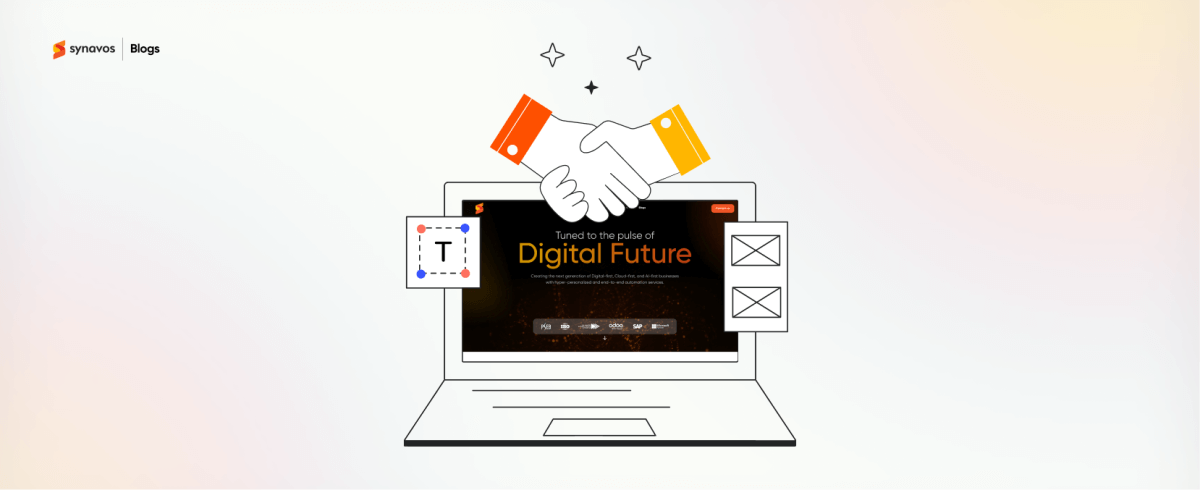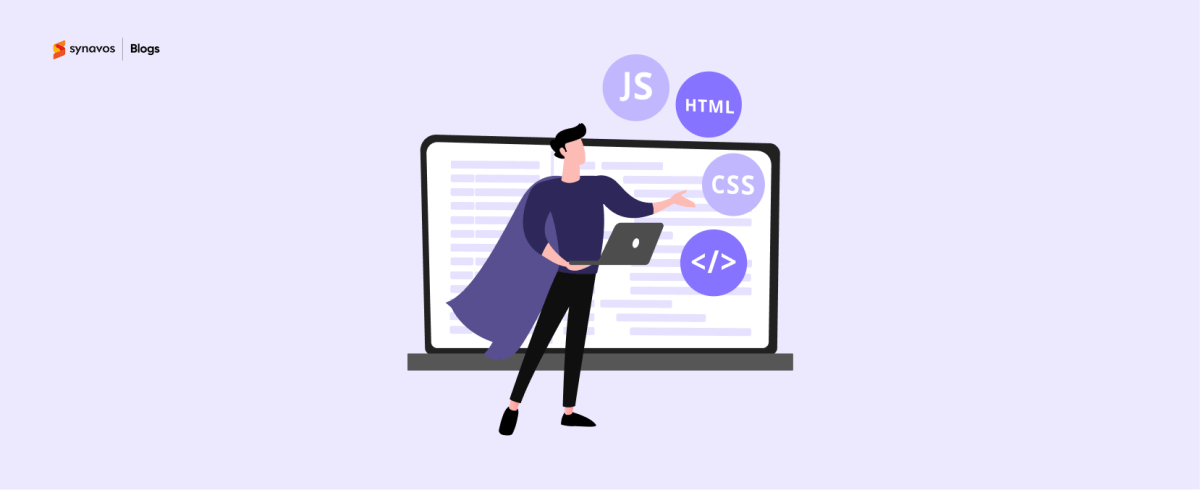
Custom web development gives your business the freedom to build a site that aligns perfectly with your goals, supports advanced features, and delivers a user experience that templates can never match. It helps you stand out in a competitive market, adapt quickly to new demands, and create a digital presence that grows with your business.
But before you invest in a custom build, it is important to understand what goes into the process and what factors should guide your decision. Careful planning ensures that your website delivers long term value rather than costly surprises.
You can also explore our guide on custom web development for a clear look at the full process and what it means for your business.
In this blog, you will learn the six most important things to consider before investing in custom web development.
1. Define Your Business Goals and Website Purpose
Before starting development, clearly define what your website needs to achieve. Are you building an ecommerce store, a content-rich portal, a SaaS platform, or a lead generation tool? Your goals determine the required functionality, design, user experience, and integrations. For example, an online store will need secure payment gateways and inventory management, while a corporate website may focus on branding and lead capture. Understanding your purpose upfront ensures the development team can create a solution aligned with your business objectives.
2. Plan Your Budget
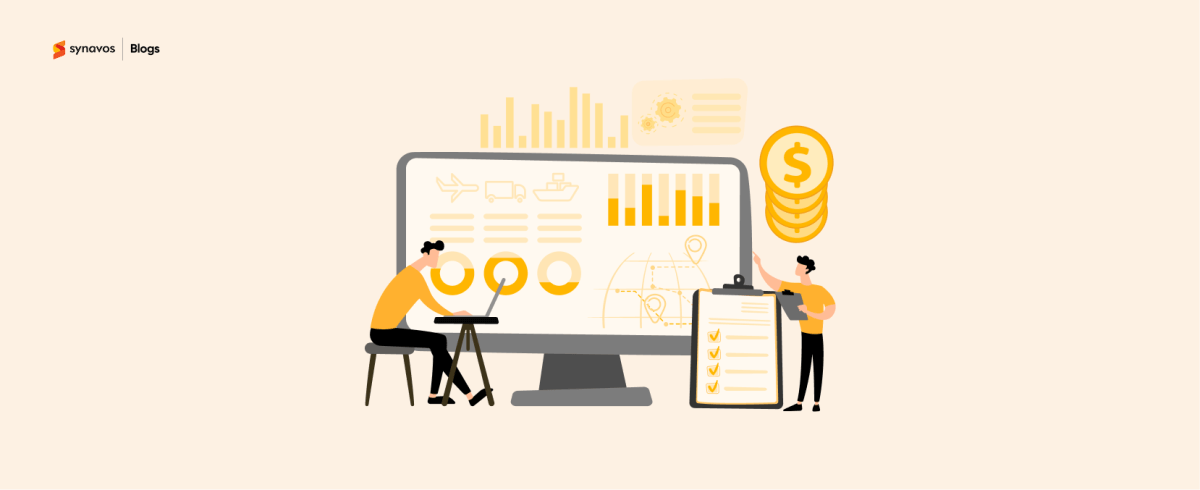
Custom web development often requires a higher upfront investment compared to template-based solutions, but it can be more cost-effective long term. Beyond initial development, also consider ongoing costs such as hosting, security, maintenance, updates, and potential future feature expansions. Businesses that plan for these expenses avoid unexpected costs later and ensure that the website can grow with them without compromising performance or security.
3. Know Your Project Scope
Custom web development projects vary widely in complexity. A basic website with a few pages is much different from a platform with dashboards, user accounts, workflows, and third-party integrations. Understanding the scope helps prevent scope creep, delays, and budget overruns. It’s also crucial for choosing the right team and technologies to ensure your website can meet all functional requirements efficiently.
4. Consider Scalability and Future Growth Needs
Your business will grow, and your website should grow with it. Consider how your platform will handle increasing traffic, additional product catalogs, new user types, or expansion into new markets. Scalability should influence both your tech stack and architecture. A site designed with growth in mind avoids costly rebuilds later and ensures your digital presence can evolve alongside your business.
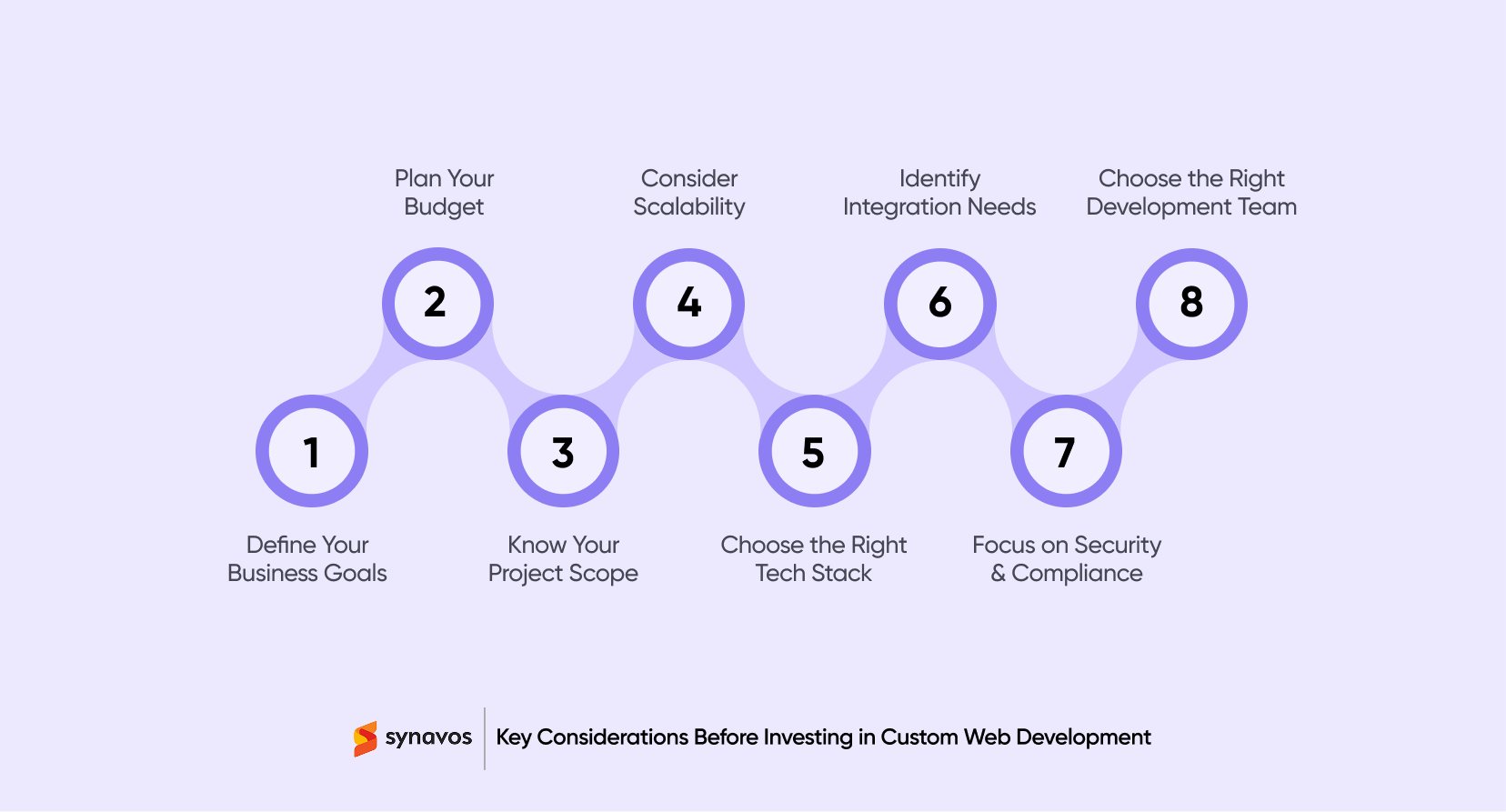
5. Choose the Right Tech Stack
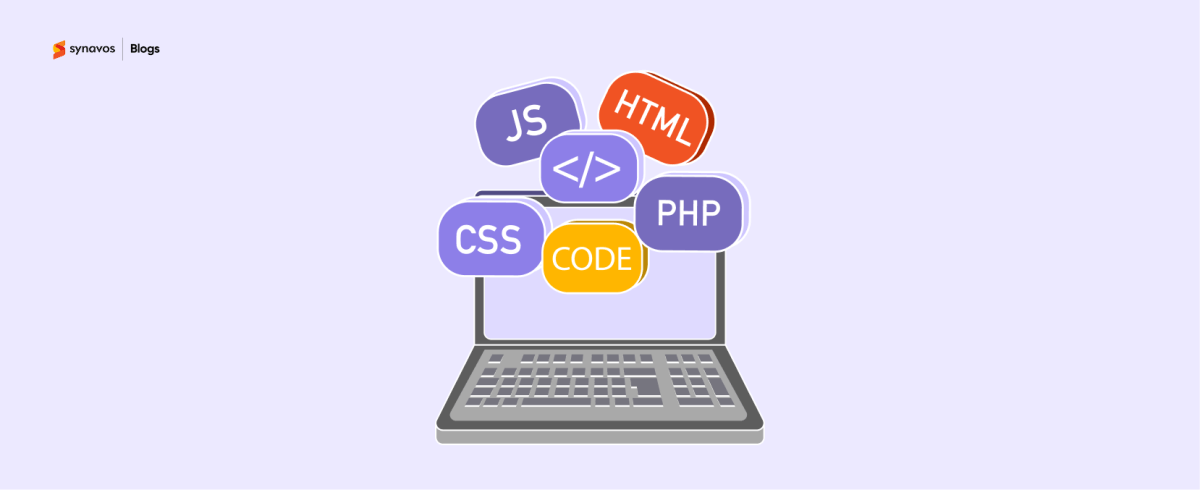
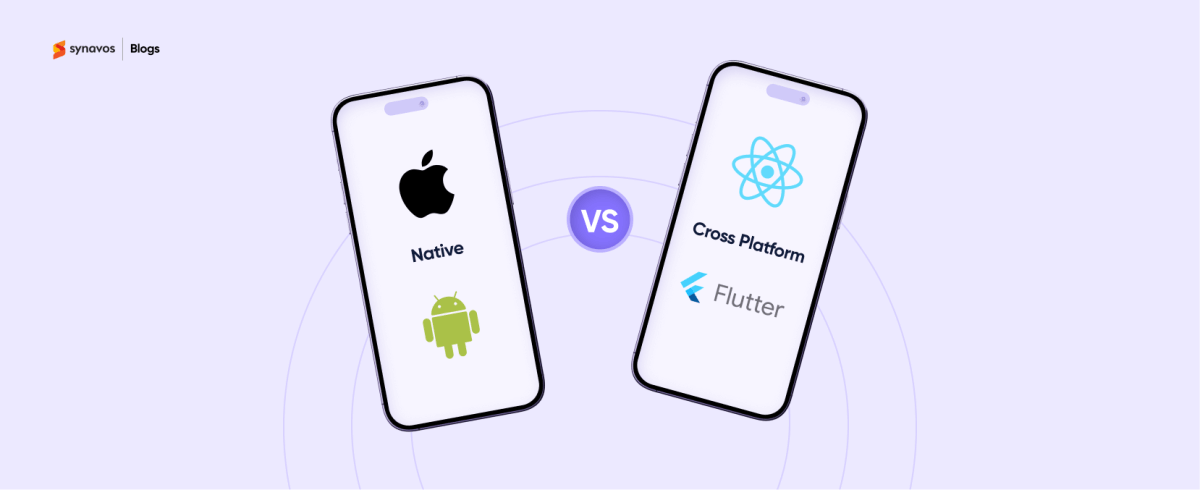
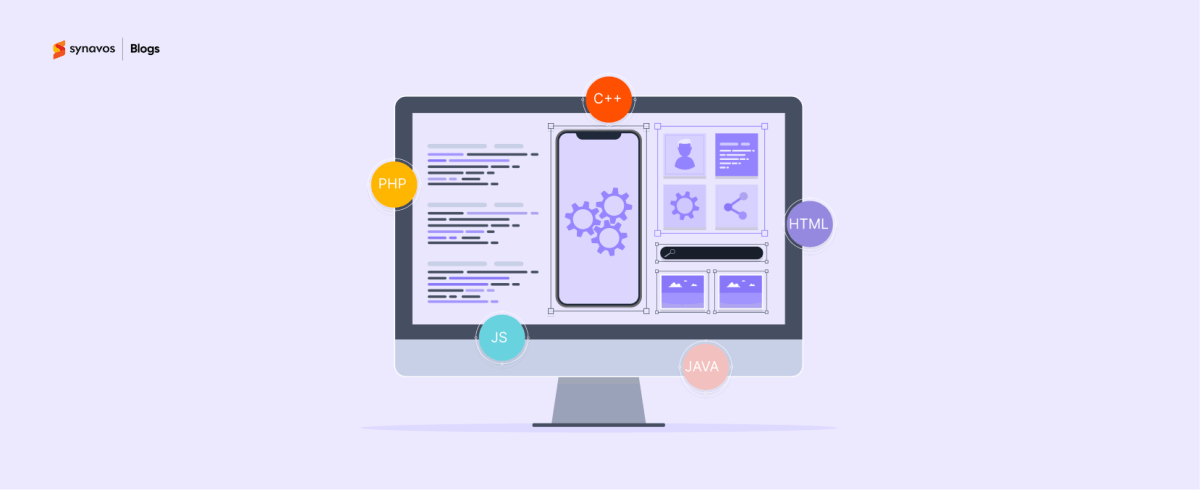
The technology behind your website affects its performance, security, and scalability. Different projects require different frameworks, programming languages, and tools. For example, a high-traffic e-commerce site may benefit from a robust stack like Django with React, while a corporate platform might perform best with .NET. Choosing a tech stack aligned with your project requirements and your development partner’s expertise ensures a smoother process and long-term reliability.
6. Identify Integration Requirements
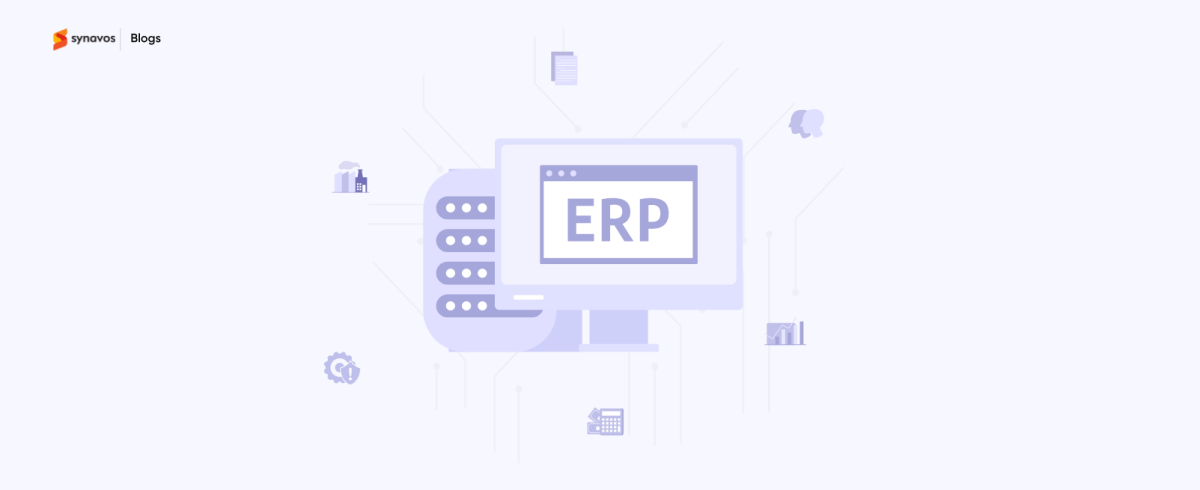
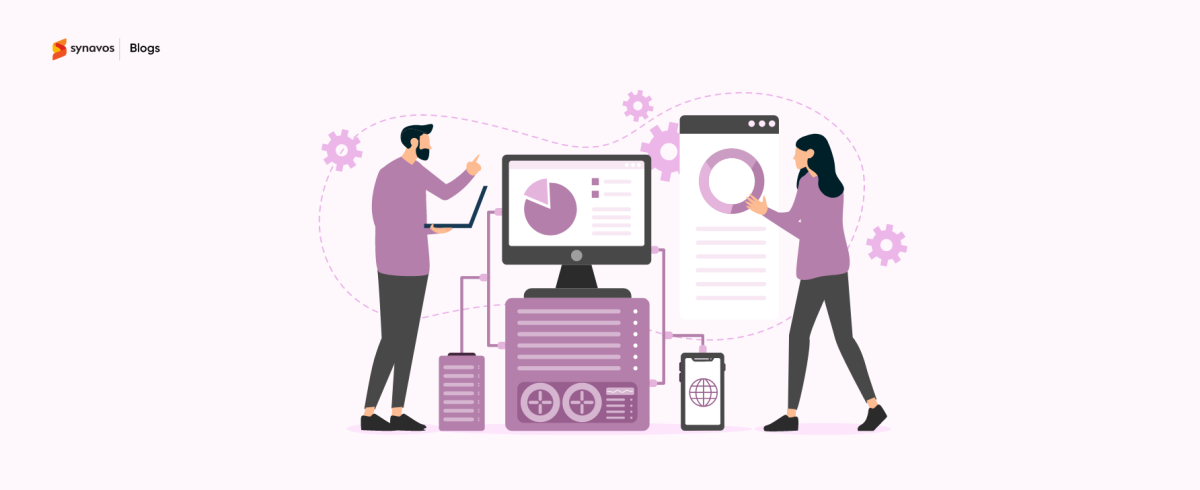
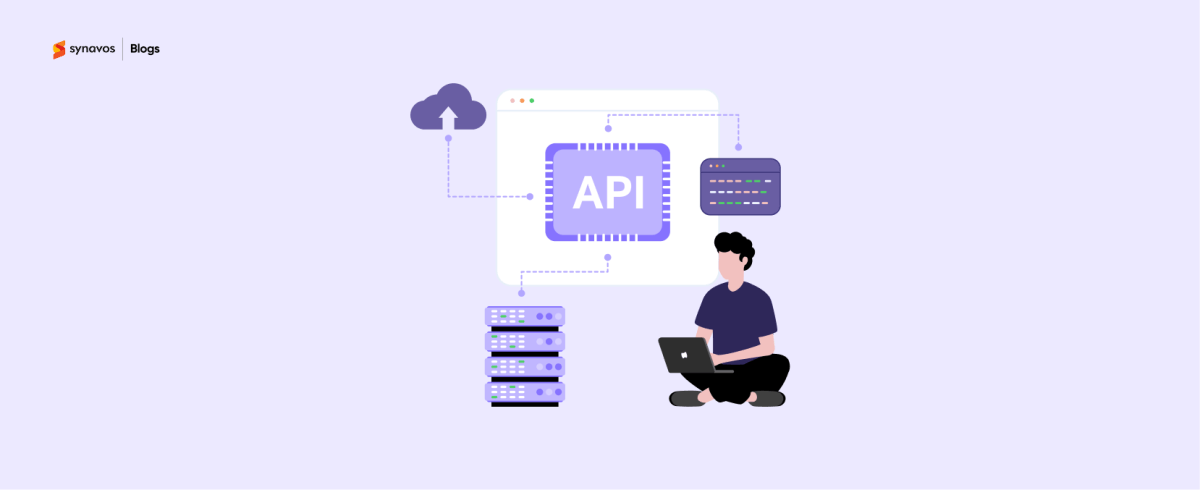
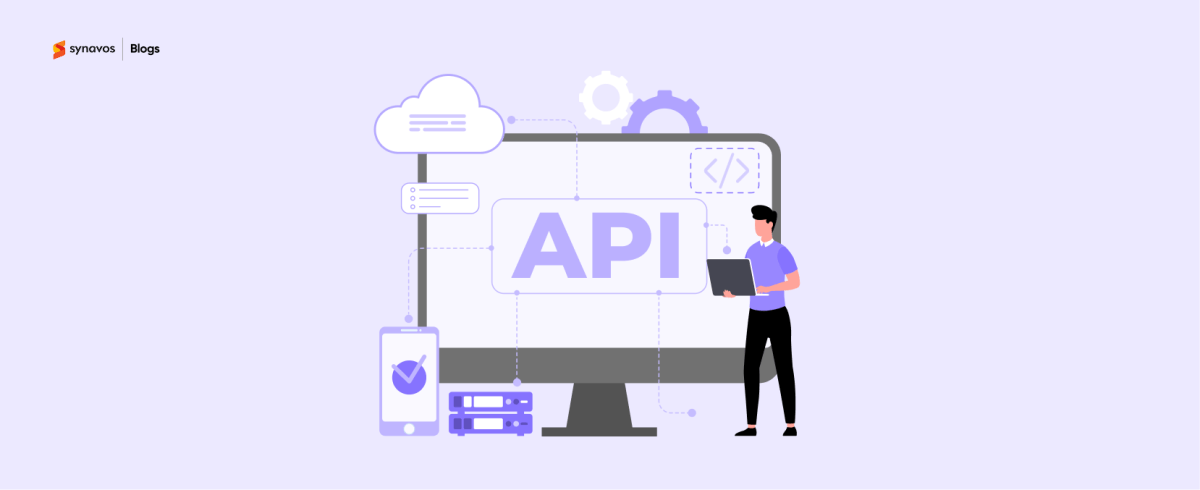
Most businesses rely on multiple tools to manage operations, such as CRMs, ERPs, payment gateways, and analytics platforms. Your custom website should integrate seamlessly with these systems. Proper integration reduces manual work, ensures data consistency, and improves overall efficiency. Knowing what needs to be connected before development ensures your website supports your business processes from day one.
7. Focus on Security and Compliance
Security is a non-negotiable element of any custom website, especially if you handle sensitive customer or financial data. Ensure your development team follows best practices for secure coding, encryption, and access control. Compliance with local regulations, such as GDPR or industry-specific standards, should also guide your development decisions. A secure as well as compliant website builds trust with your customers and protects your business from potential threats.
8. Choose the Right Development Team
The success of your custom website largely depends on the team behind it. Look for agencies with a proven portfolio, experience in your industry, clear communication, and strong post-launch support. A reliable partner like Synavos can guide you through every step of the development process, from tech stack selection and design strategy to integrations and ongoing maintenance. Choosing the right team reduces risks, ensures high-quality delivery, and accelerates your website launch.
Final Thoughts
Investing in custom web development requires thoughtful planning, clear objectives, and the right expertise. By defining your goals, understanding the project scope, considering scalability, planning your budget, selecting an appropriate tech stack, and choosing a capable development partner, you can create a website that truly supports your business growth.
Get Started with Expert Web Development
Building a custom website requires expertise, experience, and a clear understanding of your business objectives. At Synavos, we specialize in creating custom web solutions that align with your goals, scale with your growth, and provide a standout user experience. Let’s help you transform your ideas into a website that works for your business. Contact us today to get started.