In 2026, mobile apps sit at the center of how people interact with brands. From booking services to managing finances and shopping on the go, customers rely on apps to get things done quickly and without friction. When an app works well, users barely notice it. When it doesn’t, trust drops almost instantly.
For businesses, building a mobile app is no longer about adding another digital channel. It’s about creating an experience that fits naturally into a customer’s daily routine. This guide breaks down mobile app development in 2026 in a simple and practical way to help businesses understand what matters, what to avoid, and how to build apps that drive long term value.
The State of Mobile App Development in 2026
Mobile app development in 2026 looks very different from just a few years ago. Users are no longer impressed by basic functionality. They expect apps to load quickly, respond smoothly, and feel tailored to their needs from the first interaction. If an app feels slow or outdated, it rarely gets a second chance.
From a business point of view, mobile apps have shifted from being support tools to becoming primary digital touchpoints. Many customer journeys now start and end inside an app. This has pushed businesses to focus more on performance, usability, and long term reliability rather than just launching fast.
Technology has also matured. Development frameworks are more stable, cloud infrastructure is easier to scale, and integration with third party services is simpler than before. This allows teams to build feature rich apps without sacrificing speed or stability. At the same time, competition has increased, which means average apps struggle to stand out.
Another major change is how seriously users take privacy and security. Customers want transparency around how their data is used and stored. Businesses that fail to address these concerns risk losing trust quickly. As a result, security planning now starts at the earliest stages of app development rather than being treated as an afterthought.
The mobile app space in 2026 leaves little room for rushed decisions or short-sighted builds. Businesses that build apps with clear purpose, reliable performance, and responsible data use are far more likely to grow and maintain loyal users.
Types of Mobile Apps Businesses Are Building in 2026
In 2026, businesses are more intentional about the kind of mobile apps they build. The goal is no longer to follow trends, but to choose an app type that aligns with business goals, user behavior, and long term growth plans. Different app approaches serve different needs, and understanding these options helps businesses make smarter decisions early on.
-
Native Mobile Apps
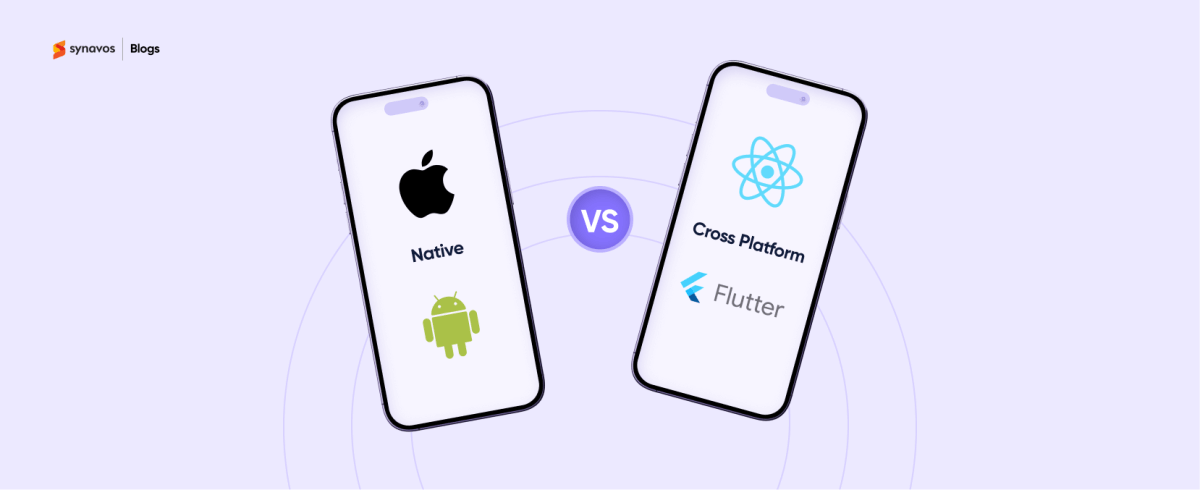
Native apps are built specifically for a single platform such as iOS or Android. They offer strong performance, smoother interactions, and full access to device features like cameras, biometrics, and offline storage. Businesses often choose native development when performance, security, or complex functionality is a top priority.
-
Cross Platform Mobile Apps
Cross platform apps allow businesses to reach both iOS and Android users using a single codebase. This approach reduces development time and keeps costs under control while still delivering a solid user experience. In 2026, many frameworks support near native performance, making cross platform development a practical choice for many businesses.
To explore these options in more detail, read our guide, “Native vs Cross Platform Apps: Which Is Right for Your Business?”
-
Progressive Web Apps (PWAs)
Progressive Web Apps combine the reach of the web with the feel of a mobile app. They run in a browser, require no app store download, and work well on slower networks. Businesses often use PWAs for content driven platforms, quick user access, or markets where storage space and connectivity are limited.
-
Super Apps and Ecosystem Based Platforms
Some businesses are investing in super apps that bring multiple services into one platform. These apps focus on convenience by keeping users within a single ecosystem for payments, services, communication, or commerce. While more complex to build, super apps encourage repeat usage and deeper customer engagement.
Latest Mobile App Development Trends to Watch in 2026
Mobile app development in 2026 is being shaped by how people actually use their phones every day. Businesses are moving away from flashy features and focusing more on experiences that feel natural, fast, and genuinely useful. The trends below reflect this shift toward smarter and more user focused apps.
-
AI Driven Personalization
Apps are becoming more responsive to individual behavior. Instead of offering the same experience to everyone, mobile apps now adapt content, recommendations, and workflows based on how users interact with them. This creates experiences that feel relevant without overwhelming users.
-
Voice Based and Hands Free Interaction
Voice search and voice commands are becoming a regular part of mobile app usage. Businesses are adding voice features to make apps easier to use while multitasking, driving, or working. This trend is especially relevant for service based and productivity focused apps.
-
Augmented Reality Beyond Entertainment
AR is no longer limited to games or filters. In 2026, businesses use AR to help users preview products, visualize spaces, or understand complex information. Retail, real estate, and training focused apps are seeing real value from practical AR use cases.
-
Offline First App Experiences
Users expect apps to work even when connectivity is weak. Offline first design allows key features and content to remain accessible without an internet connection. This improves reliability and builds trust, especially for users in regions with unstable networks.
-
Privacy Focused App Design
Data transparency has become a key part of user trust. Apps now clearly explain how data is collected and used, while limiting unnecessary storage. Businesses that take privacy seriously see stronger engagement and long term loyalty.
These trends show that mobile app development in 2026 is less about novelty and more about creating experiences that users rely on daily. Apps that respect user time, privacy, and expectations are the ones that continue to perform well.

Choosing the Right Tech Stack in 2026
Selecting the right technology stack is one of the most critical decisions a business can make when building a mobile app. The choices you make impact performance, scalability, maintenance, and how quickly you can bring your app to market. In 2026, businesses are looking for stacks that balance speed, flexibility, and security.
-
Programming Languages and Frameworks
Native apps still rely on Swift for iOS and Kotlin for Android, providing optimal performance and full access to device features. For cross-platform development, frameworks like Flutter and React Native allow businesses to write one codebase and deploy it across multiple platforms, saving time and resources while delivering a near-native experience.
-
Backend and Cloud Infrastructure
A strong backend is essential for reliability and scalability. Many businesses now leverage cloud services or serverless architectures to handle peak loads efficiently. Cloud solutions also simplify updates, analytics, and storage management, giving apps the flexibility to grow alongside the business.
-
APIs and Third-Party Integrations
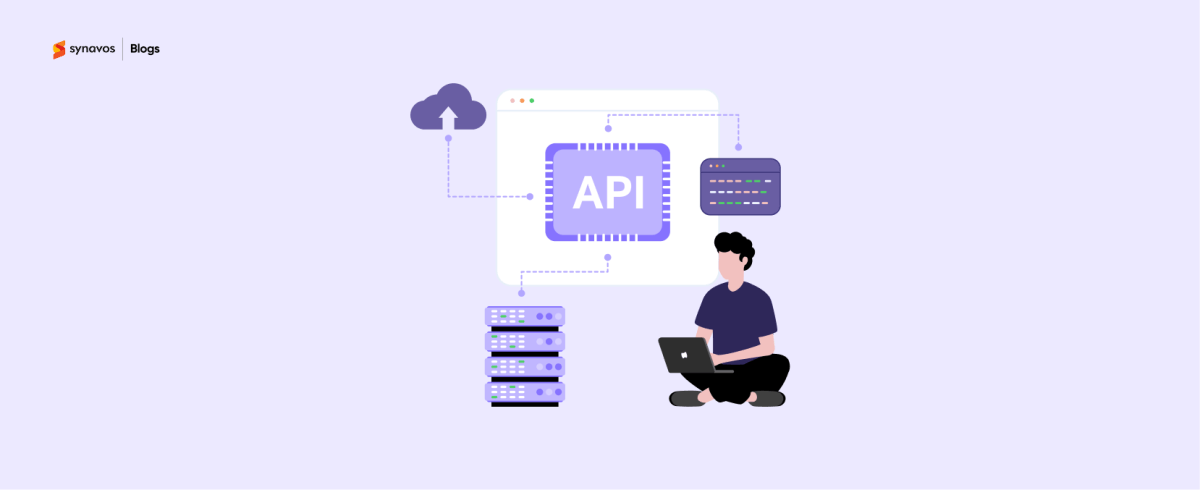
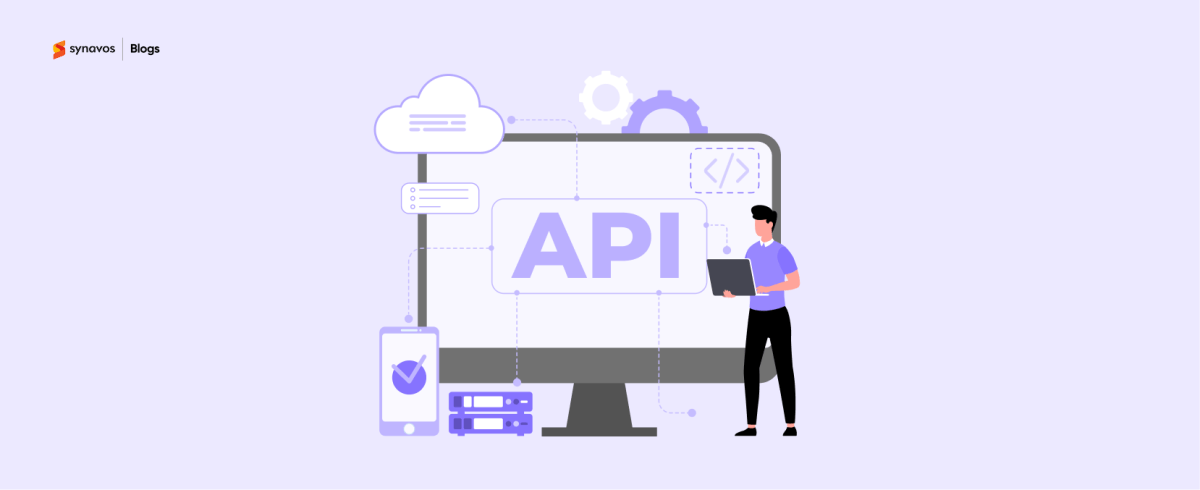
APIs allow apps to connect seamlessly with payment gateways, mapping services, social platforms, and other external tools. Using APIs effectively reduces development time and ensures your app can adapt to future needs without a complete rebuild.
-
Security and Compliance Tools
With privacy concerns at an all-time high, security is now a core consideration in tech stack selection. End-to-end encryption, secure authentication methods, and compliance with global regulations like GDPR and CCPA are critical. The right stack makes it easier to implement these protections without slowing down the app or compromising user experience.
Choosing the right tech stack in 2026 isn’t about following the latest trend. It’s about finding a combination of tools and frameworks that align with your app’s purpose, your team’s expertise, and your users’ expectations. The right choices here lay the foundation for an app that performs well, scales gracefully, and stays secure over time.
Mobile App Development Process for Businesses
A well-defined mobile app development process helps businesses avoid delays, budget overruns, and unnecessary rework. In 2026, successful mobile apps are built through structured steps that keep user needs and business goals aligned from start to finish.
1. Idea Validation and Research
Every successful app starts with a clear reason for existing. Businesses begin by identifying real user problems and understanding who the app is meant for. This includes researching target audiences, studying competitors, and validating demand before moving forward. Taking time at this stage helps ensure the app idea solves a genuine need and offers something meaningful in a crowded market.
If you’re just getting started, take a look at our guide on "7 Things You Should Know Before Building a Mobile App" to make sure you’re heading in the right direction.
2. UX and UI Design
Design is not just about how an app looks, but how it feels to use. The focus is on creating simple navigation, clear user flows, and interfaces that feel intuitive from the first tap. In 2026, accessibility and consistency across devices are just as important as visual appeal to make users feel comfortable and confident while using the app.
3. Agile Development and Iteration
Most development teams follow an agile approach by breaking the project into short and manageable cycles. This allows businesses to review progress regularly, gather feedback early, and make improvements without waiting for the full build to finish. Iterative development also reduces risk by identifying issues early and keeping the project flexible as requirements evolve.
4. Quality Assurance and Testing
Testing ensures the app performs reliably across devices and usage scenarios. This includes functional testing, performance checks, and security reviews. A strong testing phase helps prevent crashes, slow load times, and user frustration after launch.
5. App Store Launch and Release Planning
Launching an app involves more than uploading it to an app store. Businesses prepare store listings, visuals, and descriptions while ensuring compliance with platform guidelines. A well planned release improves visibility and sets the stage for early user adoption.

Cost of Mobile App Development in 2026
The cost of building a mobile app in 2026 varies widely. There is no fixed price because every app is shaped by business goals user expectations and technical requirements. What matters most is understanding where the budget goes and how different choices affect the final cost.
One of the best ways to control development costs is validating your app idea early. Our guide on "7 Easy Steps to Validate Your Mobile App Idea in 2026" walks through proven techniques to avoid investing in ideas that lack real market demand.
Key Factors That Influence App Development Cost
1. App Complexity
One of the biggest cost factors is app complexity. Simple apps with basic features and limited screens require less time and effort to build. On the other hand, apps that require advanced features such as real-time messaging, AI-powered recommendations, geolocation, or in-app purchases demand more development hours, testing, and maintenance. Each additional feature adds to the total cost, so businesses need to focus on essential features first and plan upgrades over time.
2. Platform Choice
In 2026, businesses often have three main options: iOS, Android, or cross-platform development. Native apps built specifically for iOS or Android deliver the best performance and full access to device features, but developing two separate apps increases cost. Cross-platform frameworks like Flutter or React Native allow a single codebase to work on multiple platforms, reducing development time and expenses. However, certain complex functions may still require native adjustments, so platform choice directly affects both budget and performance.
3. Design and User Experience (UX)
A visually appealing design is no longer optional; it is essential for user retention. Apps in 2026 are expected to load quickly, offer smooth navigation, and feel intuitive from the first interaction. Investing in professional UI/UX design ensures users enjoy the experience and continue to use the app. Custom animations, interactive features, and accessibility improvements add to cost but also significantly enhance engagement and satisfaction.
4. Integrations and Backend Development
Most modern apps don’t exist in isolation—they connect to other systems. Integrating payment gateways, CRMs, ERP systems, or third-party APIs requires careful backend planning. Secure and scalable backend architecture ensures the app can handle growth without performance issues. The more complex the integrations, the higher the development cost, but these investments pay off by enabling smooth operations and better data management.
5. Maintenance and Updates
The development cost doesn’t stop at launch. Regular updates, bug fixes, security patches, and feature upgrades are crucial in keeping the app relevant and secure. A budget that accounts for ongoing maintenance protects your investment and avoids surprises as your user base grows or platform requirements change. In 2026, proactive maintenance is seen as essential to long-term app success.
Estimated Costs for Different App Types
-
Basic Apps
These apps offer simple functionality like displaying information, a product catalog, or a booking form. They usually do not require backend integrations or complex features. In 2026, basic apps typically cost $10,000 to $50,000, depending on the design and platform.
-
Medium Complexity Apps
Apps with user accounts, payment options, messaging, or social features fall into this category. They require more development time, testing, and secure backend support. Budget for medium-complexity apps usually ranges from $50,000 to $150,000.
-
High Complexity Apps
High-end apps include features like AI-powered personalization, real-time updates, multi-system integrations, AR/VR, or enterprise-level security. These apps demand specialized expertise and extensive testing. Costs for high-complexity apps in 2026 can range from $150,000 to $500,000 or more, depending on scale, platforms, and additional features.

How Businesses Can Monetize Mobile Apps
In 2026, businesses have multiple ways to turn their app into a source of income while delivering real value to users. Choosing the right approach requires understanding the app’s purpose, audience, and long-term goals.
Subscription Models
Subscription-based apps give users access to premium content, features, or services for a recurring fee. This could include exclusive content in a media app, advanced tools in a productivity app, or ongoing services in health and wellness platforms. Subscriptions create predictable revenue streams, which allows businesses to plan and scale effectively. They also encourage continuous engagement, as users are motivated to get ongoing value from their subscription.
In-App Purchases
In-app purchases let users buy extra features, virtual goods, or enhancements directly within the app. For example, a gaming app can sell additional levels or skins, while an educational app might offer specialized modules or courses. This model works well for apps that want to keep the core experience free, making adoption easier, while still generating revenue from users who want more advanced functionality.
Advertising Partnerships
Advertising remains a reliable revenue source when integrated thoughtfully. Partnering with brands for sponsored content or placing subtle in-app ads can generate income without disrupting the user experience. The key is balance as ads should feel relevant and non-intrusive, adding value rather than distracting users from the app’s core purpose.
Customer Retention and Loyalty
Apps can indirectly drive revenue by boosting customer retention. Features like push notifications, personalized offers, loyalty programs, and reward points keep users engaged and encourage repeat purchases. For businesses with existing products or services, a mobile app can become a central hub for customer interaction, making loyalty-driven revenue just as important as direct monetization.
Combining Revenue Streams
The most successful apps often combine multiple monetization methods. For example, an app might offer a free version with ads, an option for in-app purchases, and a premium subscription for advanced features. The trick is to balance revenue generation with a seamless user experience as overloading the app with monetization can turn users away.
Final Thoughts
Mobile app development in 2026 is about more than launching an app; it’s about creating a digital experience that connects with users, drives engagement, and fuels business growth. From choosing the right platform and features to planning for security, scalability, and ongoing updates, every decision matters. Businesses that approach development strategically, prioritize user experience, and work with the right experts turn their app into a true business asset.
Ready to Bring Your Mobile App Idea to Life?
At Synavos, we help businesses turn their mobile app ideas into reality. As a leading mobile app development company, we focus on creating apps that are fast, secure, and designed to grow with your business.
Book a free consultation with our experts and discover how the right strategy and technology can transform your app into a powerful business asset!