Mobile apps are no longer optional for growing businesses. They shape how customers interact with your brand, how efficiently teams operate, and how quickly you can scale digital services. Whether you are a startup launching your first product or an established company expanding your digital presence, the way your app is built plays a major role in its success.
One of the most common questions business owners face when developing a mobile app is whether to go with native or cross-platform development. Both approaches have their strengths, costs, and tradeoffs. The right choice depends less on trends and more on your business goals, budget, timeline, and long term vision. This guide breaks it all down in simple terms to help you make a confident decision.
What is a Native App?
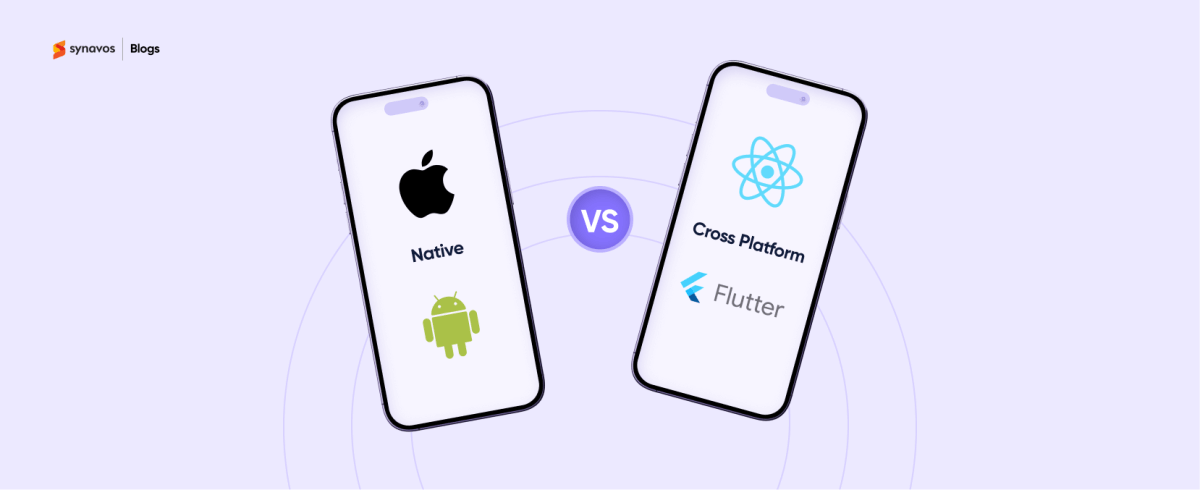
A native app is built specifically for a single platform, such as iOS or Android. iOS apps are typically developed using Swift or Objective C, while Android apps use Kotlin or Java. These apps are designed to fully align with the operating system they run on.
From a business perspective, native apps are known for their smooth performance, polished user experience, and strong reliability. Because they are built specifically for one platform, they can access all device features like camera, GPS, notifications, and animations without limitations.

What is a Cross Platform App?
A cross platform app is developed using a single codebase that runs on multiple platforms, usually iOS and Android. Popular frameworks allow developers to write code once and deploy it across platforms with minimal adjustments.
For businesses, cross platform development offers a faster route to market and reduced development costs. It is especially attractive for companies that want to reach a wide audience quickly without maintaining separate development teams for each platform.

Key Differences Between Native and Cross Platform Apps
-
Performance and Speed
Native apps generally offer superior performance. They load faster, handle complex animations smoothly, and perform better under heavy usage. This matters for apps that rely on real time data, advanced graphics, or intensive processing.
Cross platform apps have improved significantly over the years, but they still rely on an abstraction layer between the app and the device. For many business apps, this difference is barely noticeable. However, for performance critical applications, native development still holds an edge.
-
User Experience and Design
Native apps follow platform specific design guidelines closely. This results in interfaces that feel familiar and intuitive to users. Small details like gestures, transitions, and responsiveness often feel more natural in native apps.
Cross platform apps aim for consistency across devices. While this can be a benefit for branding, it may sometimes feel less aligned with platform specific expectations. That said, modern frameworks allow for highly polished and user friendly designs that meet most business needs.
-
Development Time and Cost
Cross platform apps are usually faster and more cost effective to develop. A single codebase means fewer development hours, faster testing, and quicker launches. This makes them ideal for startups and businesses working with limited budgets.
Native apps require separate development for each platform, which increases both time and cost. However, the higher upfront investment can pay off in performance, stability, and long term scalability.
-
Maintenance and Updates
Maintaining a cross platform app is often simpler since updates can be applied to one codebase. This reduces ongoing costs and speeds up feature releases.
Native apps require updates for each platform separately, which can increase maintenance effort. On the other hand, native apps are usually more stable over time and adapt better to operating system updates.

Pros and Cons of Native Apps for Businesses
Advantages of Native Apps
Native apps deliver high performance and responsiveness, making them ideal for demanding applications. They provide a refined user experience that aligns perfectly with platform standards. Native development also allows full access to device features to enable advanced functionality. For businesses with a long term digital strategy, native apps offer strong scalability and reliability.
Challenges of Native Apps
The biggest challenge with native apps is cost. Developing and maintaining separate apps for iOS and Android requires more resources. Development timelines are longer, and businesses may need larger or more specialized teams. For smaller companies or early stage products, this investment can be difficult to justify.
Pros and Cons of Cross Platform Apps for Businesses
Advantages of Cross Platform Apps
Cross platform development significantly reduces development time and cost. Businesses can launch on multiple platforms simultaneously, which helps validate ideas faster. Maintenance is simpler, and updates can be rolled out quickly. This approach is well suited for MVPs, startups, and companies testing new markets.
Challenges of Cross Platform Apps
Cross platform apps may face limitations when it comes to performance or access to certain native features. In some cases, custom development is required to bridge these gaps. Businesses also rely on third party frameworks, which means they are affected by framework updates and compatibility changes.
Which Option Fits Your Business Goals
When Native Apps Make More Sense
Native development is a strong choice if your app requires high performance, complex features, or deep integration with device hardware. It is ideal for apps with a large user base, long term growth plans, and high expectations for user experience. If your app is central to your business model, native development is often worth the investment.
When Cross Platform Apps Are the Better Choice
Cross platform apps are ideal for startups, small to mid sized businesses, and companies launching MVPs. If speed to market and cost efficiency are top priorities, this approach makes sense. It is also suitable for internal business apps, content driven platforms, and products where performance demands are moderate.
Common Myths About Native and Cross Platform Development
A common misconception is that cross platform apps are low quality. In reality, many successful apps use cross platform frameworks and deliver excellent user experiences. Another myth is that native apps are always too expensive. While they cost more upfront, they can reduce long term issues and rework for complex products.
The key is not choosing based on assumptions, but on real business needs.
Key Questions to Ask Before Making a Decision
Before choosing a development approach for your mobile app, ask yourself a few important questions. What is your budget and timeline? Who is your target audience and which platforms do they use most? How complex is your app functionality? Do you plan to scale and add advanced features over time? Answering these questions helps clarify which option aligns best with your goals.
Final Thoughts: Making a Smart App Investment
Choosing between native and cross platform app development is not about picking the most popular option. It is about selecting the approach that supports your business objectives, budget, and long term strategy. Both methods can lead to successful products when chosen thoughtfully and executed well.
Choosing between native and cross platform development is easier when you have the right experts by your side. Synavos is a mobile app development company that works closely with businesses to turn app ideas into reliable and scalable products.
Contact Synavos today to discuss your requirements and practical guidance on building a mobile app that aligns with your business goals and long term growth plans.