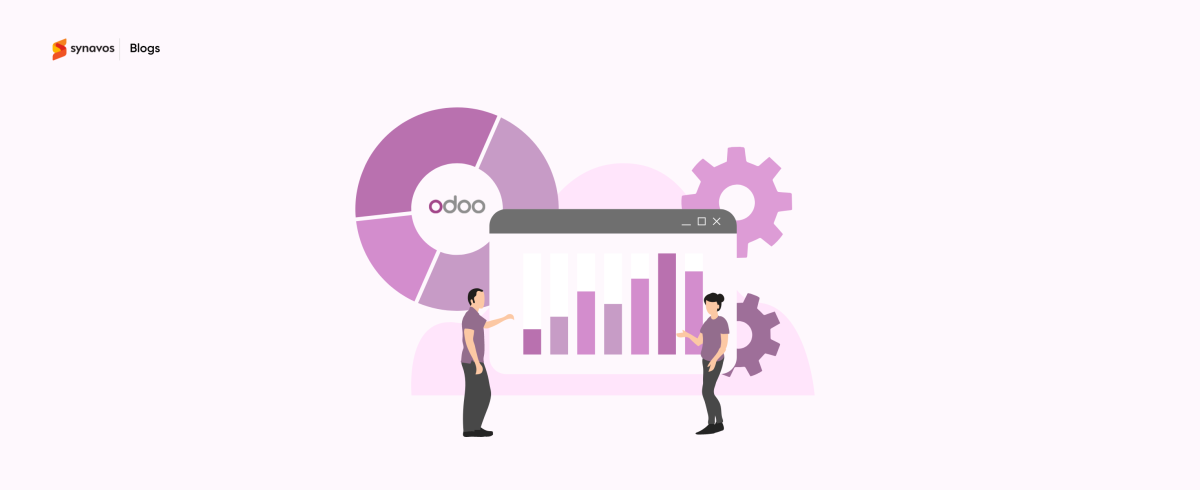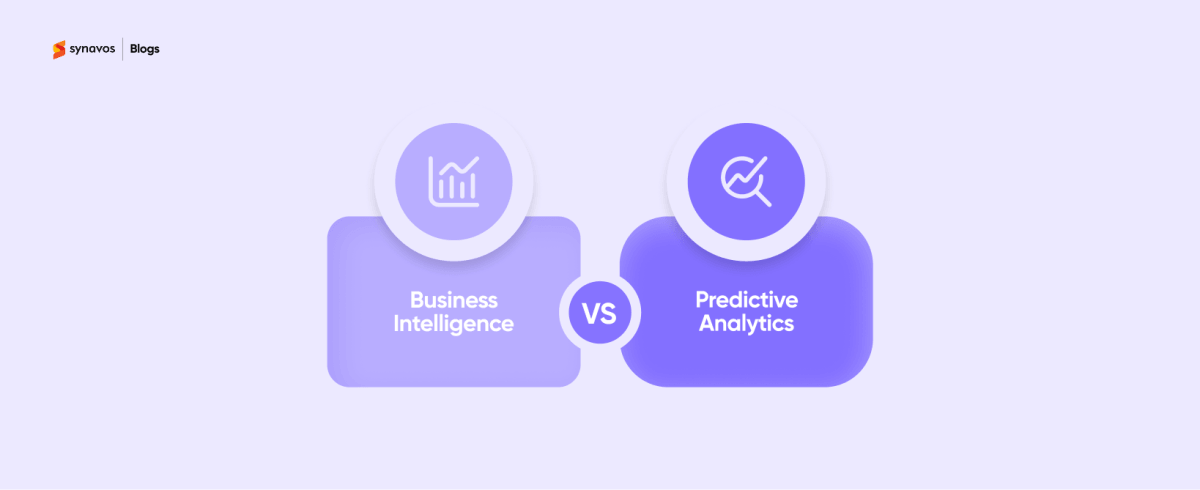
Data plays a central role in how modern businesses operate. From tracking performance to planning future growth, companies rely on analytics to make informed decisions. Two terms that often come up in this context are business intelligence and predictive analytics. While they are closely related, they serve different purposes and answer very different business questions.
This blog explains the key differences between predictive analytics and business intelligence, how each one works, and when businesses should use one or both to support smarter decision-making.
What Is Business Intelligence?
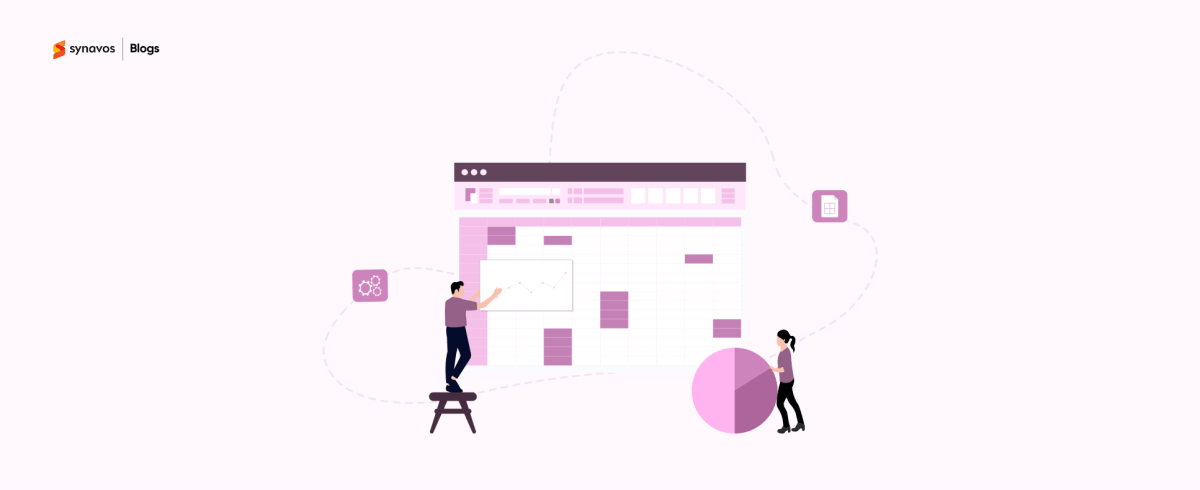
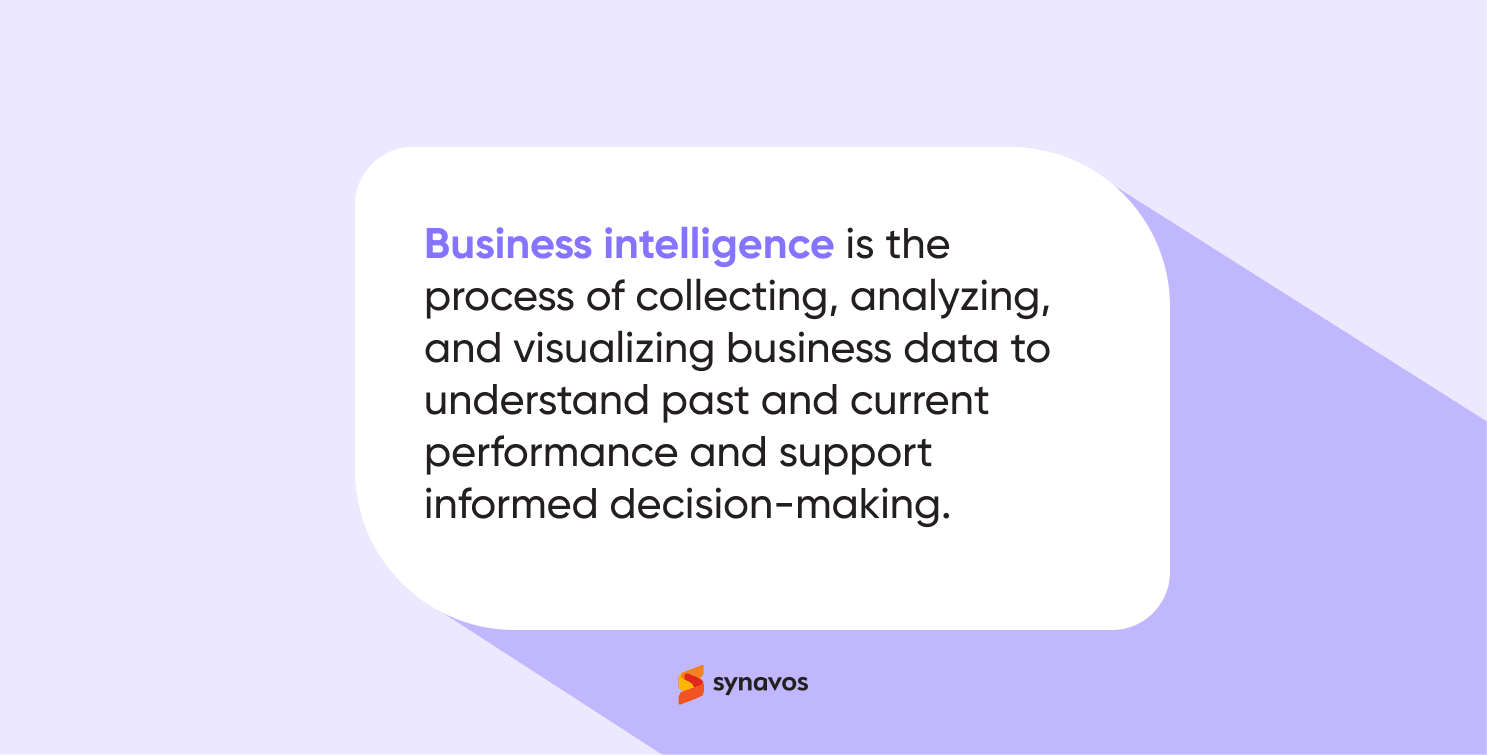
Business Intelligence is a data analysis approach that helps organizations understand past and current performance. It collects and processes data from various sources to create reports, dashboards, and visual insights that support day-to-day decision-making.
BI is mainly descriptive and diagnostic. It answers questions such as what happened, how performance has changed over time, and where issues or opportunities exist. For example, businesses use BI to track monthly sales, monitor customer retention, measure marketing campaign performance, and analyze financial trends.
Common Business Intelligence tools include dashboards, reporting platforms, KPI trackers, and data visualization software. These tools help leaders monitor performance and make informed decisions based on historical and real-time data.
What Is Predictive Analytics?
Predictive Analytics goes beyond reporting past results. It uses historical data, statistical techniques, and artificial intelligence to forecast future outcomes.
Instead of only explaining what happened, Predictive Analytics estimates what is likely to happen next. Businesses use it to predict customer behavior, forecast demand, anticipate sales trends, detect fraud, assess risks, and optimize pricing strategies.
Predictive models analyze patterns in large datasets and continuously improve as new data becomes available. This allows organizations to move from reactive decision-making to proactive planning.

Core Differences Between Predictive Analytics and Business Intelligence
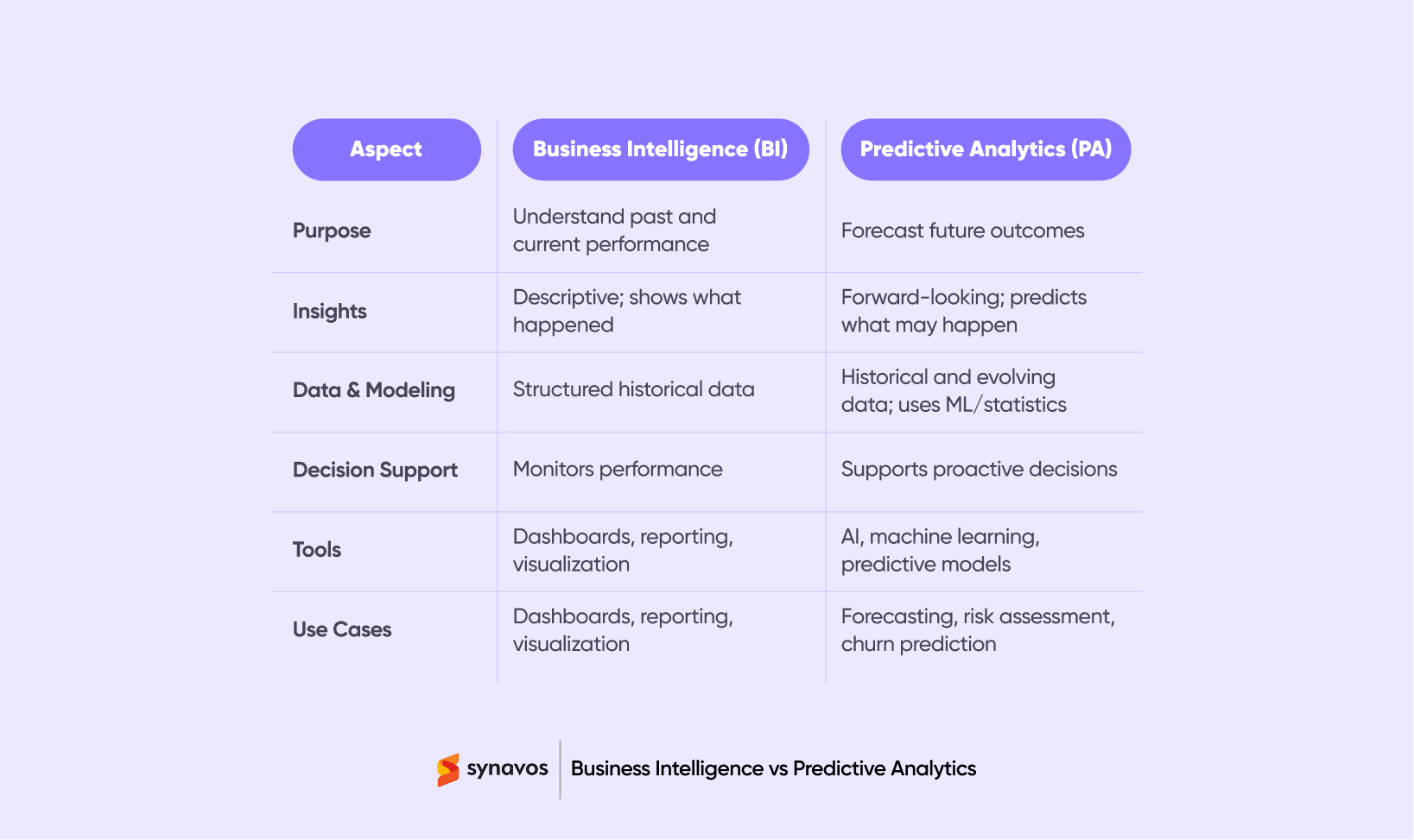
1. Purpose and Goals
Business Intelligence focuses on understanding past and current performance. It helps businesses track progress, identify trends, and evaluate outcomes.
Predictive Analytics focuses on forecasting future outcomes. It helps businesses plan ahead, reduce uncertainty, and prepare for upcoming opportunities or risks.
2. Type of Insights Delivered
Business Intelligence provides descriptive insights. It summarizes data in charts, tables, and dashboards to show what has already happened.
Predictive Analytics provides forward-looking insights. It estimates probabilities and future scenarios to guide strategic decisions.
3. Data Usage and Modeling Approach
Business Intelligence primarily uses structured historical data and organizes it into reports or visual summaries.
Predictive Analytics uses advanced modeling techniques, including machine learning and statistical algorithms, to identify patterns and generate forecasts. It works with both historical and evolving data to refine predictions over time.
4. Level of Decision Support
Business Intelligence supports monitoring and performance evaluation. It helps leaders understand business results and measure success.
Predictive Analytics supports proactive decision-making. It helps businesses decide what actions to take before events happen, such as preventing customer churn or preparing for demand surges.
5. Tools and Technologies Used
Business Intelligence relies on tools such as reporting platforms, data visualization software, and analytics dashboards.
Predictive Analytics uses more advanced technologies, including artificial intelligence platforms, machine learning frameworks, data modeling tools, and statistical analysis systems.
6. Business Use Cases and Applications
Business Intelligence is commonly used for financial reporting, marketing performance tracking, operational monitoring, and executive dashboards.
Predictive Analytics is used for customer churn prediction, sales forecasting, demand planning, risk assessment, fraud detection, and personalized marketing.
When Businesses Should Use Business Intelligence
Business Intelligence is ideal when organizations want to understand performance, monitor KPIs, and gain visibility into business operations.
It is especially useful for tracking revenue trends, analyzing customer behavior, monitoring marketing results, managing budgets, and generating compliance or audit reports. BI helps businesses stay informed and make evidence-based decisions grounded in historical data.
When Businesses Should Use Predictive Analytics
Predictive Analytics is best suited for businesses that want to anticipate outcomes and take action before challenges or opportunities arise.
It is valuable for forecasting sales, predicting customer churn, optimizing inventory, improving pricing strategies, identifying high-value leads, detecting fraud, and managing financial risk. Predictive Analytics allows organizations to plan more effectively and respond faster to changing conditions.
How Business Intelligence and Predictive Analytics Work Together
Business Intelligence and Predictive Analytics are not competing approaches. They complement each other.
Business Intelligence provides the foundation by organizing, cleaning, and visualizing historical data. Predictive Analytics builds on this foundation by using that data to forecast future outcomes.
When combined, BI helps businesses understand what has already happened, while Predictive Analytics helps them decide what to do next. Together, they create a more complete and powerful data-driven strategy.
Which One Is Right for Your Business?
The right choice depends on your business goals, data maturity, and decision-making needs.
If your primary focus is reporting, performance tracking, and operational monitoring, Business Intelligence may be the best starting point. If your goal is forecasting, risk management, customer behavior prediction, or strategic planning, Predictive Analytics can deliver greater long-term value.
Many organizations benefit from using both, starting with BI and expanding into Predictive Analytics as their data capabilities grow.
Conclusion
Business Intelligence and Predictive Analytics serve different but equally important roles in modern business decision-making. BI helps organizations understand what has already happened, while Predictive Analytics helps them anticipate what is likely to happen next.
By understanding the differences and knowing when to use each approach, businesses can make smarter decisions, reduce risk, and unlock new growth opportunities. Organizations that combine both gain a stronger competitive edge and a more complete view of their data.
At Synavos, we build AI-based Business Intelligence and predictive analytics solutions that help businesses turn data into smarter decisions. Get in touch with us to transform your data into a competitive advantage.